If you have ever wondered whether you really need to see a dentist twice a year, you are not alone. The honest answer is more nuanced than the “every six months” rule we all grew up hearing, and it depends on a handful of risk factors most patients never have explained to them.
This guide walks through how often Australian adults actually need a dental check up and clean in 2026, what changes the schedule, what happens during the appointment, what it costs this year, and the silent signs your dentist catches before you ever feel them.
Most adults benefit from a dental check up and clean every 6 months. Higher-risk patients (smokers, people with diabetes, those with a history of gum disease) often need to be seen every 3 to 4 months, while very low-risk adults with excellent home care can sometimes safely extend to 9 to 12 months. The right interval is set by your dentist after a comprehensive exam, not by a calendar reminder.
Key takeaways
- Six monthly is the safe default for most Australian adults, in line with Australian Dental Association guidance.
- A standard visit takes 30 to 45 minutes and includes an oral exam, scale and clean, polish, and fluoride if requested.
- Expect to pay $250 to $400 in 2026 for a bundled check up and clean in Australia, with bitewing x-rays adding $60 to $110 if due.
- Your risk profile changes the interval. Smokers, diabetics, pregnant patients, and those with gum disease usually need more frequent visits.
- Skipping appointments costs more long term. A $300 prevention visit is dramatically cheaper than the $2,500+ root canal and crown it can avoid.
- Book online for a personalised plan based on your actual risk profile, not a generic schedule.
Routine Dental Check Up and Professional Teeth Cleaning Clinic
A routine dental check up and clean is a preventive appointment designed to catch problems early, remove the plaque and tartar your toothbrush cannot reach, and keep your gums and teeth in long-term health. It is fundamentally different from a problem-focused visit, and the value is almost entirely in catching issues before you can feel them.
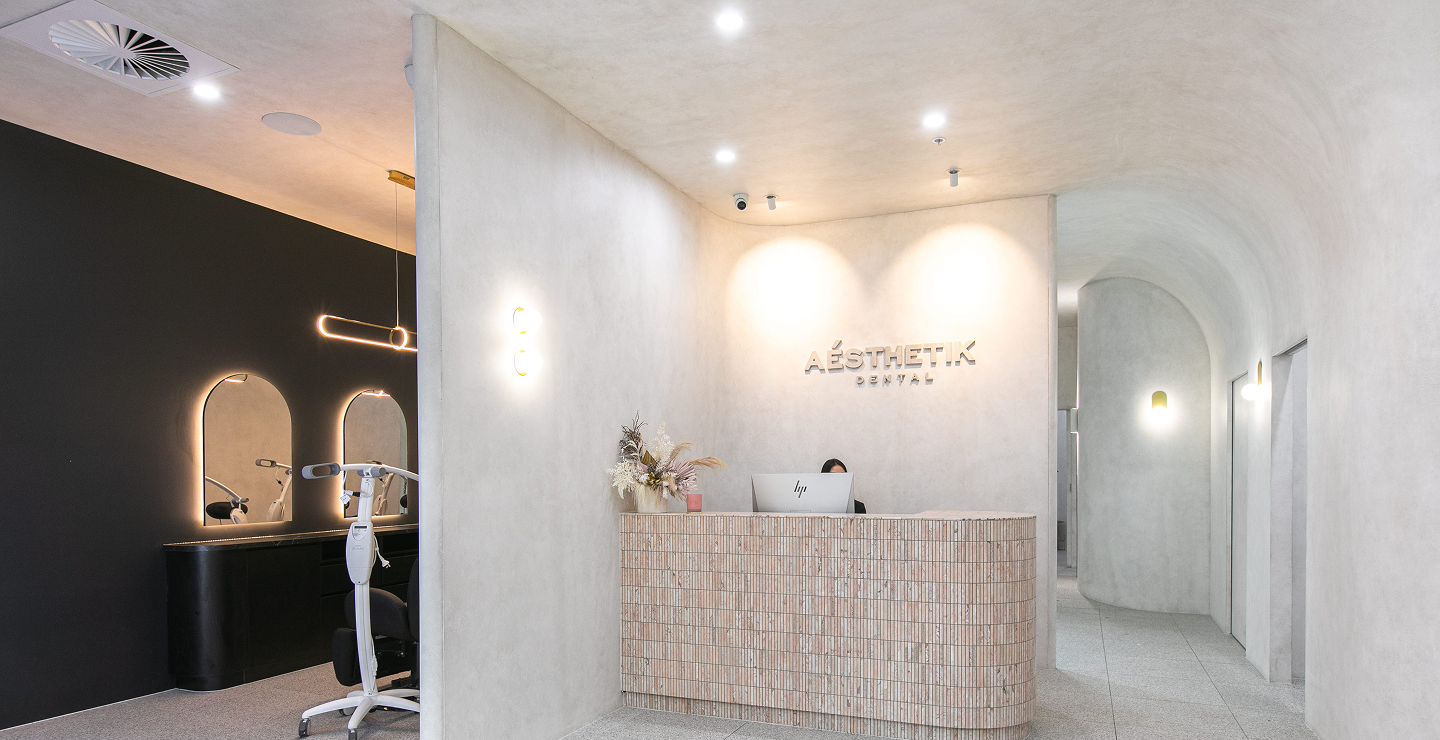
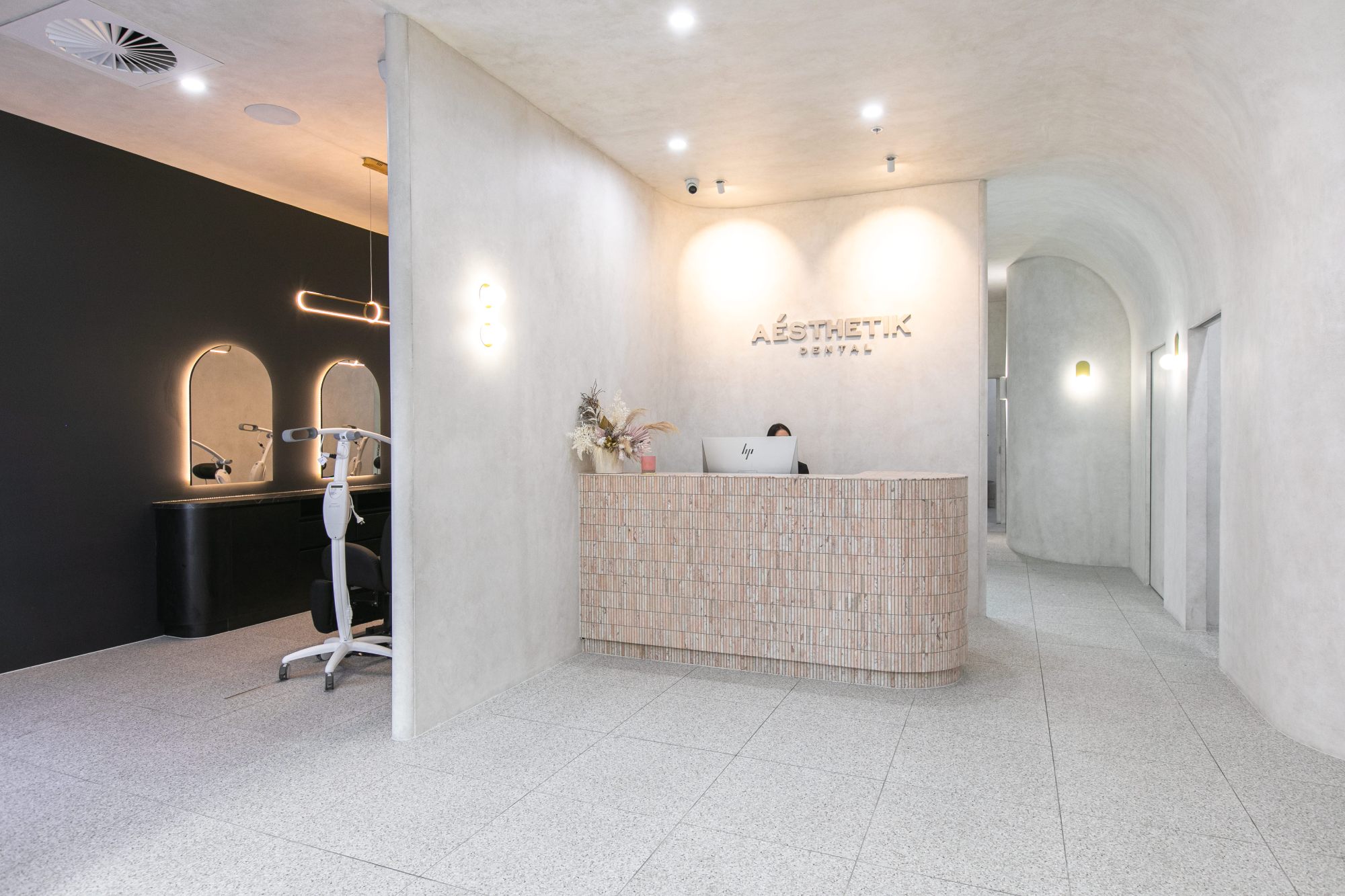
At Aesthetik Dental, our routine check up and clean visits follow a consistent clinical protocol: a thorough oral exam, periodontal probing, digital x-rays when clinically due, an ultrasonic and hand-instrument scale, polish, and a personalised treatment plan if anything needs follow-up. We use modern diagnostic tools (digital sensors, intraoral cameras) so you can see what we see, and our sterilisation protocols meet Australian Dental Association infection control standards.
The clean component is genuinely a clinical procedure, not a quick polish. Our professional dental cleans use ultrasonic scaling to break up calculus that has bonded to enamel, followed by hand instruments to finish around the gum margin. If you have ever left a clean and felt your teeth were noticeably smoother on the inside of your front teeth, that is the calculus that home brushing simply cannot remove. Why patients choose us often comes down to this combination: clinical thoroughness with longer, calmer appointments.
How Often Should Adults Get Dental Check Up and Clean?
For most Australian adults, every 6 months is the right dental check up frequency. This is the position of the Australian Dental Association and the basis on which most preventive dental care is built. Six months is roughly the window in which calculus can build up significantly, gingivitis can develop, and small cavities can grow large enough to need real intervention. It is also short enough that an oral cancer lesion would be caught at a stage where treatment outcomes are dramatically better.
Your individual risk profile, however, can shift that interval in either direction. The table below reflects how we set dental cleaning schedules at Aesthetik Dental, based on factors any experienced clinician will assess at your first comprehensive exam.
| Patient Profile | Recommended Frequency | Why |
| Low-risk adult, excellent home care | Every 9 to 12 months | Minimal plaque build-up, no active disease |
| Average adult with good home care | Every 6 months | Standard preventive interval, catches issues early |
| Smoker or vaper | Every 3 to 4 months | Higher gum disease and oral cancer risk |
| Diabetic or immunocompromised | Every 3 to 4 months | Elevated periodontal risk |
| Pregnant patient | Every 4 to 6 months | Hormonal gingivitis risk |
| History of gum disease | Every 3 to 4 months | Active periodontal maintenance |
| Orthodontic patient (braces or aligners) | Every 3 to 4 months | Harder to clean, more plaque traps |
Not sure which interval suits you? Book an assessment online and we will set a recall schedule that matches your actual mouth, not a generic calendar.
Is Going to the Dentist Every 6 Months Really Necessary?
For most people, yes. For some, the interval can be lengthened, and for others it should be shortened. There has been genuine debate in the dental research community about whether universally recommending six monthly visits is the most evidence-based approach, particularly for very low-risk adults. Personalised intervals based on risk assessment are where the profession is heading, but the six monthly default remains the safest starting point until your individual risk has been properly measured.
The other reason to keep showing up: you cannot see what a dentist sees. Decay between teeth (interproximal decay), early gum recession of one or two millimetres, oral cancer lesions on the side of the tongue or floor of the mouth, and early bone loss visible only on x-ray are common findings in patients whose teeth feel completely fine. By the time these conditions cause symptoms, treatment is bigger and more expensive.
What Happens During a Full Dental Check Up Appointment?
A standard dental check up and clean appointment runs for 30 to 45 minutes for most adults, with new patients booked for 60 to 75 minutes to allow for full periodontal charting and baseline records. Here is roughly how the time breaks down.
- Medical and dental history review (5 minutes). The dentist confirms any new medications, health conditions, or concerns. Pregnancy, diabetes, or starting blood thinners genuinely change how we approach the appointment.
- Visual and tactile examination (10 minutes). A tooth-by-tooth assessment using a dental probe, checking for decay, cracks, worn fillings, and signs of bruxism. The dentist measures gum pocket depths in millimetres around each tooth, looking for anywhere over 3 mm.
- Digital x-rays if clinically due (5 to 10 minutes). Bitewing radiographs are typically taken every 12 to 24 months for adults with no active disease. They show decay between teeth and bone levels invisible on visual exam.
- Oral cancer screening (3 to 5 minutes). Examination of the tongue, floor of mouth, palate, cheeks, and lymph nodes in the neck.
- Professional scale and clean (20 to 30 minutes). Ultrasonic scaling removes the bulk of calculus, followed by hand instruments to finish around the gum margin and between teeth.
- Polish and fluoride application (5 to 10 minutes). Polishing removes surface stains, and a fluoride varnish strengthens enamel against future decay. Fluoride is included on request.
- Treatment plan discussion (5 to 10 minutes). The dentist walks through findings, what needs attention now versus what can be monitored, and any costs involved.
What Is and Is Not Included in a Standard Check Up and Clean
| Included in Standard Visit | Usually a Separate Appointment |
| Comprehensive oral exam | Fillings or restorations |
| Ultrasonic scale and tartar removal | Root canal therapy |
| Polish to remove surface stains | Tooth extractions |
| Fluoride application (on request) | Crowns, veneers, or bridges |
| Bitewing x-rays (if clinically due) | Cosmetic whitening |
| Oral cancer screening | Orthodontic consultation |
| Personalised oral hygiene advice | Wisdom tooth surgery |
For transparent fees on each of these treatments, view our prices.
How Long Does a Dental Scale and Clean Take?
A standard dental scale and clean takes 30 to 45 minutes for most adults. Patients with heavier tartar build-up, active gingivitis, or periodontal disease often need 60 minutes, or a multi-visit deep clean spread across two to four appointments by quadrant.
What changes the duration: how long it has been since your last visit, how heavy your tartar build-up is, your gum health (inflamed gums bleed during scaling and slow the process), and whether x-rays are due that day. Most patients find the appointment passes faster than they expected.
Immediately afterwards, expect mild gum tenderness for a day or two, a noticeably smoother feel to your teeth, and zero downtime. You can return to work, eat normally (after a 30 minute fluoride wait), and resume regular brushing the same evening.
Cost of Dentist Check Up, X Rays and Teeth Cleaning in Australia 2026
A bundled dental check up and clean in Australia in 2026 typically costs between $250 and $400, including the comprehensive exam, scale, polish, and fluoride application. Bitewing x-rays add roughly $60 to $110 if clinically due, and any additional treatment (fillings, deep cleans) is quoted separately.
Aesthetik Dental publishes our full fees on the Our Prices page, so you can confirm exact 2026 figures before you book. We are a preferred provider with major Australian private health funds and offer HICAPS for instant on-the-spot claiming, so you only pay the gap on the day rather than waiting for a manual rebate.
Typical Australian Dental Check Up and Clean Costs 2026
| Service Item | ADA Item Number | Typical Australian Fee Range 2026 |
| Comprehensive oral exam | 011 | $65 to $95 |
| Periodic oral exam | 012 | $55 to $85 |
| Scale and clean (one visit) | 114 | $130 to $190 |
| Fluoride application | 121 | $30 to $55 |
| Bitewing x-rays (two films) | 022 | $60 to $110 |
| Full check up and clean package | bundled | $250 to $400 |
| Deep clean per quadrant (if needed) | 222 | $180 to $280 |
Figures are indicative Australian averages for 2026 and vary by clinic, location, and clinical findings. Always confirm at booking.
A few practical points on payment:
- Private health extras cover typically reimburses 70 to 100 percent of preventive dental fees, depending on your fund and tier.
- Medicare does not cover routine adult dental. The exception is the Child Dental Benefits Schedule, which provides eligible children up to $1,132 over two calendar years.
- Payment plans are available through Afterpay, Humm, and SuperCare for any treatment beyond the standard visit.
Is Professional Scale and Clean Better Than Home Cleaning?
This is the wrong way to think about the question. Home cleaning and professional cleaning do different jobs, and you genuinely need both. Home brushing and flossing manages the plaque that builds up every day; a professional scale and clean removes what your toothbrush physically cannot reach, and checks for problems that have no symptoms yet.
The reason a toothbrush cannot replace a dental clean is mechanical. Plaque that sits on a tooth for 24 to 48 hours mineralises into tartar (calculus), a hard deposit that bonds chemically to enamel and creeps below the gum line. Once that bond has formed, no toothbrush, mouthwash, or floss will break it. It takes ultrasonic vibration or a sharpened hand instrument to lift tartar off the tooth without damaging the surface underneath. That is what a scale and clean is actually doing, and it is also why patients sometimes feel more sensitive afterwards: a layer of insulating tartar has just been removed.
The table below sets out where each method does its real work, so you can see why one is not a substitute for the other.
| Factor | Home Brushing and Flossing | Professional Scale and Clean |
| Removes soft plaque | Yes, daily | Yes |
| Removes hardened tartar (calculus) | No | Yes, ultrasonic and hand scaling |
| Reaches below the gumline | Limited | Yes, with periodontal instruments |
| Polishes and removes surface stains | Minimal | Yes |
| Detects early decay or gum disease | No | Yes, dentist examination |
| Recommended frequency | Twice daily | Every 6 months for most adults |
| Cost | Low ongoing | $130 to $190 per visit |
The honest takeaway: home care and professional care reinforce each other. The better your daily brushing and flossing, the less calculus has time to form, which makes your six monthly visit shorter, cheaper, and far more comfortable. The opposite is also true. Patients who have skipped professional cleans for a few years usually need a longer first appointment (sometimes split into two visits) because the volume of hardened tartar is too much to remove in a single session.
Gentle Dental Check Up and Clean for Nervous Patients
Dental anxiety is genuinely common, and we estimate that one in five new patients tells us at the first appointment they have been avoiding the dentist for years. If that is you, please know that we have heard every story, judged none of them, and built our practice around making the experience calmer than what you may remember.
For nervous patients we offer numbing gel applied before any scaling near sensitive gum margins, slow-paced appointments with longer time blocks, agreed hand signals to pause at any point, noise-cancelling headphones with your choice of audio, and oral or inhaled sedation options for severe anxiety. Many patients who arrive shaking on their first visit are noticeably more relaxed by the third, often because the actual experience was less confronting than they had built up in their head.
The longer you avoid the dentist, the bigger the eventual visit becomes, which feeds the anxiety loop. Catching things early when they are small reverses that pattern. Discover why nervous patients choose Aesthetik Dental for a calmer experience.
Children Dental Check Up and Clean with Fluoride Treatment
Children should have their first dental visit by their first birthday, and a dental check up and clean every 6 months from age 2 onwards unless their dentist identifies higher risk factors. The first visit is mostly about familiarisation, not a full clean, and it sets the tone for a child who grows up viewing the dentist as routine rather than scary.
Three things every parent should know:
- First visit timing. By age 1 or within six months of the first tooth erupting, whichever comes first. Early visits significantly reduce later cavity rates.
- CDBS eligibility. Eligible children aged 0 to 17 may access up to $1,132 over two calendar years through the Child Dental Benefits Schedule, administered by Services Australia. This covers exams, cleans, fluoride, fillings, x-rays, and extractions.
- Fluoride role. Professional fluoride application strengthens enamel and has been shown to reduce decay risk by roughly 25 percent in children. It is fast, painless, and included in most paediatric appointments.
We see entire Aesthetik families across all four locations. If your child is anxious, we can do a familiarisation visit first where they sit in the chair and meet the dentist, with no examination at all.
New Patient Dental Exam and Clean with Polish Included
A first-visit comprehensive exam is meaningfully different from a recall appointment. It runs 60 to 75 minutes (versus 30 to 45 for a routine visit) and includes full periodontal charting, baseline radiographs if appropriate, intraoral and sometimes extraoral photographic records, a written treatment plan, and a longer conversation about your goals, concerns, and history.
A first appointment is the foundation for every preventive visit that follows. By your second visit, your file already has a record of your gum health, x-ray history, and any areas being monitored, which makes future appointments faster and more accurate. Book your new patient appointment online to get started.
Why Is Regular Dental Check Up Important for Gum Health?
Gum disease is the single largest cause of tooth loss in Australian adults, and it is largely silent until it reaches an advanced stage where teeth are loose or shifting. The progression: plaque irritates the gum margin (gingivitis, which is reversible), inflammation spreads below the gum line and starts breaking down the bone holding teeth in place (early periodontitis), and eventually teeth become mobile and need extraction. Regular dental visits catch this progression at the gingivitis stage, where it can be reversed entirely.
The systemic implications matter too. Periodontal disease is now linked to cardiovascular disease, harder-to-control type 2 diabetes, adverse pregnancy outcomes (including preterm birth), and emerging research into Alzheimer’s disease, as the healthdirect oral health resources explain in further detail.
The earliest signs a dentist catches before you do:
- Bleeding when probing, not just when brushing
- Pocket depths over 3 mm around any tooth
- Early bone loss visible only on x-ray
- Receding gum margins of 1 to 2 mm
- Furcation involvement where the gum has receded between the roots of molars
None of these cause symptoms you would notice at home. All of them are reversible or stabilisable when caught early.
Family Dentist Offering Check Up and Clean Specials
We see entire Australian families under one roof at Aesthetik, from toddlers having their first look at age one through to grandparents managing implants and dentures in their eighties. Coordinated family appointments save the logistical chaos of separate trips.
For ongoing oral care between visits, we maintain a curated oral care shop with dentist-recommended toothbrushes, interdental brushes, fluoride toothpastes, and home whitening kits. Current new-patient and family package offers are listed on the Aesthetik Perks Club page.
Can I Skip a Dental Check Up If My Teeth Feel Fine?
No, you should not skip a dental check up even if your teeth feel completely fine, because the most expensive dental problems are almost always painless until they reach an advanced stage. By the time something hurts, you are usually past the point where a simple, cheap fix would have solved it.
Three silent conditions present with no symptoms at all in their early stages:
- Interproximal decay between teeth, where cavities form on surfaces a toothbrush cannot see and you cannot feel until the decay reaches the nerve.
- Early gum disease, where inflammation and bone loss progress for years before teeth become mobile.
- Oral cancer lesions, which are often painless in the early curable stage and become symptomatic only once they are advanced.
The economics tell the same story. A $300 dental check up and clean every six months prevents a $2,500 root canal and crown, or a $5,000+ implant after tooth loss. We see it play out in patients who skipped check ups for five or seven years and ended up needing complex restorative work that could have been entirely avoided.
What Is the Recommended Dental Cleaning Frequency for Adults Over 50?
Adults over 50 typically benefit from a dental check up and clean every 4 to 6 months, rather than the standard six monthly interval. Three age-related factors drive the slightly tighter schedule.
First, medication-induced dry mouth (xerostomia). Many common prescriptions (blood pressure medications, antidepressants, antihistamines) reduce saliva flow, the mouth’s natural defence against decay. Less saliva means more rapid plaque accumulation and a higher risk of root surface decay. Second, gum recession exposes root surfaces that are softer than enamel and decay much faster. Third, denture and implant maintenance becomes more critical with age, as does routine oral cancer screening (incidence rises significantly after 50).
Do I Need a Dental Check Up If I Have Dentures or Implants?
Yes, denture and implant patients still need regular dental check ups, typically every 6 months. A common misconception is that once you have dentures or implants, the dentist visits stop. The opposite is true: maintenance is what keeps both working long term.
For denture patients, we check the fit (which changes as the underlying bone resorbs), assess the oral tissues underneath for sore spots or fungal infection, professionally clean the dentures, and screen for oral cancer. For implant patients, we examine the peri-implant tissues for early signs of peri-implantitis (the implant equivalent of gum disease), check the implant restoration for wear, and clean around the abutment with implant-safe instruments. The remaining natural teeth, gums, tongue, and oral tissues still need the full preventive workup.
What’s the Difference Between a Check Up and a Deep Clean?
A standard check up and clean is preventive care for healthy gums. A deep clean (formally called periodontal therapy or scaling and root planing) is therapeutic treatment for diagnosed gum disease and is a meaningfully different procedure.
| Standard Check Up and Clean | Deep Clean (Periodontal Therapy) |
| Preventive, for healthy gums | Therapeutic, for diagnosed gum disease |
| Cleans above the gumline | Cleans below the gumline (root planing) |
| 30 to 45 minutes, single visit | 60 to 90 minutes per quadrant, often 2 to 4 visits |
| Local numbing usually not needed | Local anaesthetic typically required |
| $130 to $190 | $180 to $280 per quadrant |
| Every 6 months | As prescribed, then maintenance every 3 months |
The key clinical difference is the depth being cleaned. Standard scaling stays at or just below the gum margin. Deep cleans involve cleaning the root surfaces well below the gum line, smoothing them so plaque has fewer places to anchor, and usually require local anaesthetic because the instruments work in tissue that is inflamed and tender.
If your dentist has recommended a deep clean, it is because periodontal probing has identified pocket depths greater than 4 mm with bleeding, signs of bone loss, or active gingivitis that has not responded to standard cleaning. It is not an upsell. It is a diagnostic call based on objective measurements you can ask to see in your file.
The Dentist-Backed Bottom Line on Dental Check Up Frequency
After years of seeing what consistent six monthly visits do for patients (and what skipping them does), the pattern is clear. Patients who keep their appointments rarely need anything beyond preventive care. Patients who stretch their interval to 18 months or longer are the ones who end up in the chair for fillings, root canals, and extractions that would have been entirely preventable.
Three things to do this week if it has been longer than six months since your last visit:
- Book a check up, even if your teeth feel fine. The point of a check up is finding what you cannot feel.
- Check your private health fund cover before the appointment. Most extras policies cover preventive dental at 70 to 100 percent.
- Bring a list of any medications, sensitivities, or dental concerns. The dentist would much rather know about a niggle now than discover it advanced six months later.
Your mouth does most of its damage silently. The single most powerful thing you can do for your long-term oral health is to keep showing up at the right interval for your individual risk. Book your check up and clean online for gentle, transparent, family-focused care across all four of our Australian locations.
Frequently Asked Questions About Dental Check Up and Clean
How often should you get a dental check up and clean?
Most adults should book a dental check up and clean every 6 months. Higher-risk patients (smokers, diabetics, those with gum disease) often need 3 to 4 monthly visits, while very low-risk adults with excellent oral hygiene may safely extend to 9 to 12 months. Your dentist will recommend the right interval at your first comprehensive exam.
How much does a dental check up and clean cost in 2026?
A standard dental check up and clean in Australia costs between $250 and $400 in 2026 when bundled, including exam, scale, polish, and fluoride. Bitewing x-rays add roughly $60 to $110 if clinically due. Most private health fund extras cover 70 to 100 percent of the fee, with HICAPS providing on-the-spot claiming.
Does a dental check up and clean hurt?
A standard dental check up and clean is not painful for most patients, although mild sensitivity is common during ultrasonic scaling near the gumline. Numbing gel can be applied on request. If the discomfort is significant, it usually signals existing gum inflammation that the cleaning will help resolve.
How long should I wait to eat after a dental clean?
Wait at least 30 minutes to eat after a fluoride application, and avoid hot, cold, or staining foods (coffee, red wine, curry) for a few hours after polishing. If no fluoride was applied, you can eat as soon as you leave the clinic.
Can a dental check up and clean whiten teeth?
A professional scale and clean removes surface stains from coffee, tea, wine, and tobacco, which often makes teeth appear noticeably brighter. However, it does not change the natural shade of your enamel. For deeper whitening, ask about take-home or in-chair whitening options.
Is a dental check up and clean covered by Medicare in Australia?
Routine adult dental check ups and cleans are not covered by Medicare. Eligible children aged 0 to 17 may access up to $1,132 over two calendar years through the Child Dental Benefits Schedule (CDBS). Most adult patients use private health insurance extras cover, with HICAPS allowing on-the-spot claiming.
What happens if I have not been to the dentist in years?
A first visit after a long gap usually involves a longer comprehensive exam, full mouth x-rays, and sometimes a multi-appointment clean if heavy tartar is present. There is no judgement, only a clear treatment plan and pricing. Many patients find the first visit easier than they expected.
How do I book a dental check up and clean?
You can book a dental check up and clean online 24/7, by phone during clinic hours, or in person at any of our four locations. Online booking shows live availability and lets you select your preferred dentist and time.
This article is general information and not a substitute for a personalised dental consultation. For advice specific to your oral health, book an appointment with one of our dentists.

Victoria Viti is the Creator & Founder of Aesthetik Dental, a leading general and cosmetic dental practice in Melbourne and Geelong. With a passion for redefining modern dentistry, she blends clinical expertise with aesthetics to deliver transformative, patient-centered care. Victoria is known for her innovative approach to smile design, focusing on accessibility, confidence, and natural results. Her work reflects a commitment to excellence, patient satisfaction, and advancing dentistry as both a science and an art.