If you have ever tried to work out exactly what general dentistry covers (and what it does not), you are in good company. The phrase gets used loosely in marketing material, often without clarifying whether it includes emergency care, children’s treatment, gum therapy, or just the standard six monthly visit. This guide lays out the complete list of services a Melbourne general dentistry clinic actually provides in 2026, what each treatment costs in Australia this year, when you need a specialist instead, and how families typically use general dentistry across every life stage.
General dentistry covers preventive, diagnostic, and restorative oral health care for the whole family, including check ups, scale and cleans, fillings, extractions, x-rays, emergency treatment, and routine paediatric care. For most Australian adults, a routine general dentistry visit is recommended every 6 months, with a typical 2026 cost of $250 to $400 for a bundled check up and clean. Most private health funds cover 70 to 100 percent of preventive care via HICAPS on-the-spot claiming, and eligible children can access up to $1,132 over two calendar years through the Child Dental Benefits Schedule.
Key takeaways
- General dentistry includes four pillars: preventive, diagnostic, restorative, and emergency care.
- Six monthly visits are the default for most adults, with higher-risk patients seen every 3 to 4 months.
- 2026 Australian costs range from $55 for a periodic exam to $2,500+ for a porcelain crown, all published transparently before treatment begins.
- Family-suitable for children from age one through to grandparents managing implants and dentures.
- Same-day emergency appointments are available alongside routine recall visits.
- Explore our general dental services or book online for a treatment plan tailored to your needs.
General Dentist Near Melbourne for Complete Family Dental Care
A general dentist is a qualified dental practitioner registered with AHPRA who provides the day-to-day oral health care most Australians need across their lifetime. They handle prevention, diagnosis, and treatment of common dental problems, refer to specialists for complex cases, and coordinate ongoing care for the whole family under one roof.
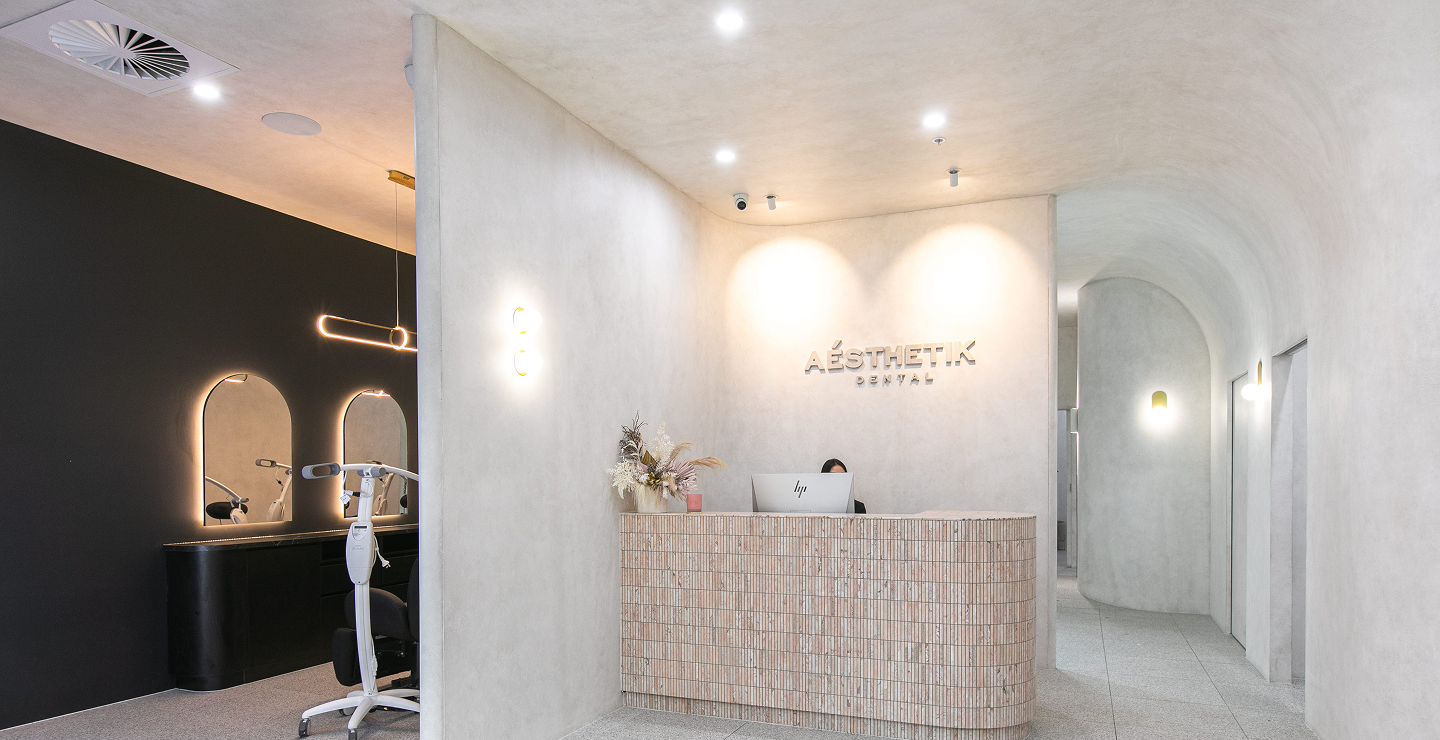
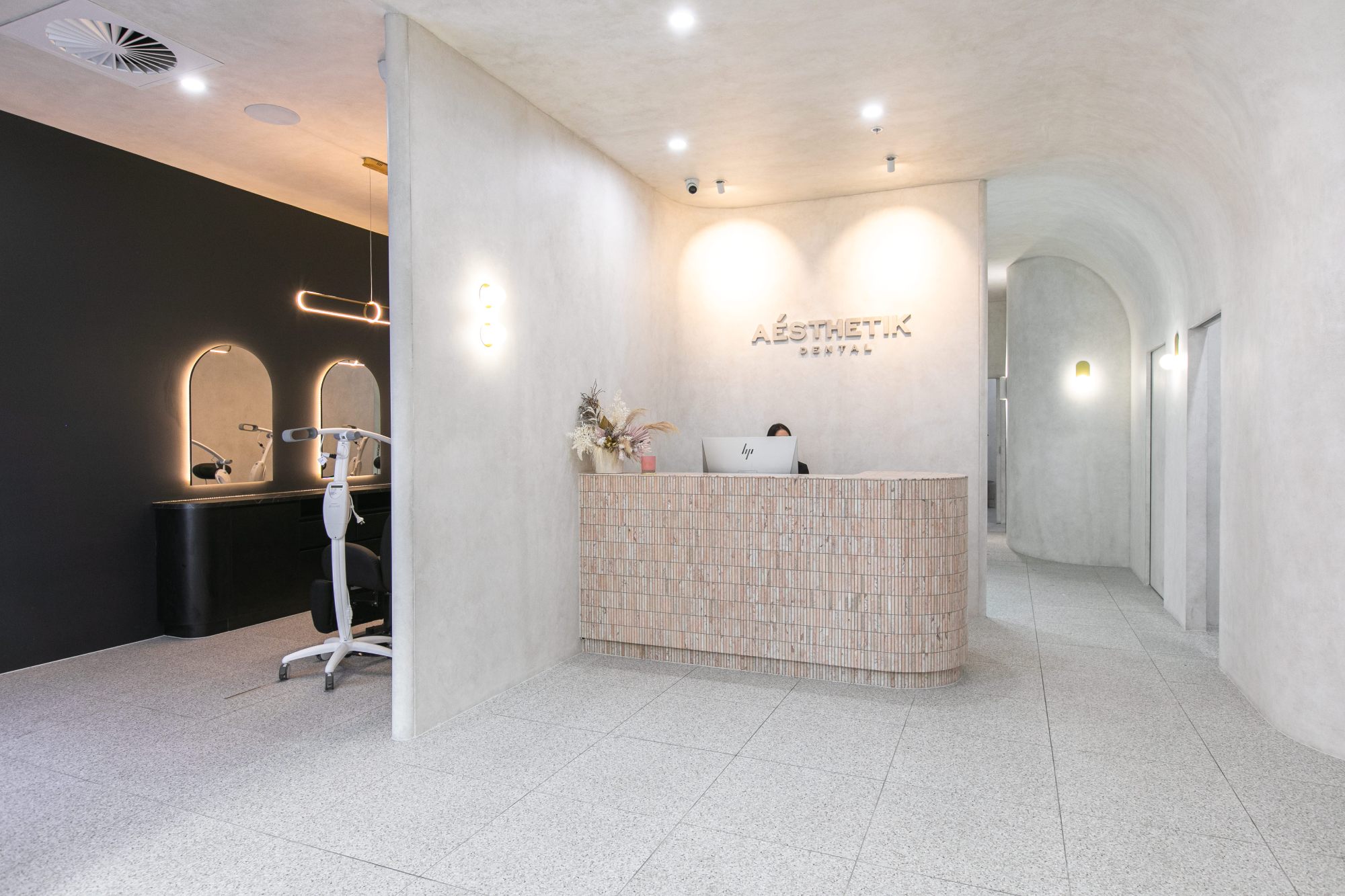
Aesthetik Dental operates four locations: Ringwood, Maribyrnong, South Melbourne, and the Sunshine Coast. Each clinic offers parking, public transport access, and extended weekday and Saturday hours to accommodate working families. We see patients from age one through to their nineties, and the same dental team that looks after your check up will also handle a chipped tooth on a Tuesday morning or a pre-wedding clean for the whole family the week before.
Our principal dentist Dr John Hagiliassis and the broader clinical team are AHPRA-registered, members of the Australian Dental Association, and use modern diagnostic equipment (digital sensors, intraoral cameras, ultrasonic scalers). Sterilisation protocols meet the Dental Board of Australia infection control guidelines.
To learn more, see our general dental services or why patients choose us.
What Services Does a General Dentistry Clinic Provide?
A general dentistry clinic provides four core categories of care: preventive, diagnostic, restorative, and emergency. Most clinics also offer paediatric care for children and basic periodontal therapy for early gum disease, with referrals to specialists for cases beyond routine general practice. Below is the complete list, broken down by category.
| Category | What It Covers | Common Examples |
| Preventive | Stops problems before they start | Check ups, scale and clean, fluoride, fissure sealants, mouthguards |
| Diagnostic | Identifies oral health issues | Comprehensive exam, bitewing x-rays, OPG, oral cancer screening |
| Restorative | Repairs damaged teeth | Composite fillings, crowns, bridges, root canal therapy |
| Emergency | Same-day urgent care | Toothache, broken tooth, knocked-out tooth, abscess, lost filling |
| Paediatric | Kids-focused dentistry | First visit, CDBS-funded treatment, fluoride, fissure sealants |
| Periodontal | Gum health support | Deep clean, scaling and root planing, maintenance therapy |
The categories overlap in practice. A standard six monthly appointment usually combines preventive care (the clean), diagnostic work (the exam and any x-rays), and occasionally a small restorative job (a filling spotted on x-ray) in the same visit. The benefit of staying with one general dentistry clinic is continuity: your records, x-rays, and treatment history sit in one place, and the dentist who knows your mouth picks up subtle changes from year to year.
For detailed treatment information, see our general dental services.
General Dentistry Practice Offering Emergency and Routine Appointments
A good general dentistry practice offers both routine appointments (booked in advance for preventive care or planned restorative work) and same-day emergency dental care for acute pain or trauma. The two work together: routine visits prevent most emergencies, and the practice that sees you for a recall is also the one who knows your history when something goes wrong on a Saturday morning.
Common dental emergencies treated same-day:
- Severe toothache or throbbing pain
- Knocked-out tooth (best within 30 to 60 minutes)
- Broken or chipped tooth with sharp edges
- Lost filling or crown causing pain
- Dental abscess with facial swelling
- Trauma from sport or accident
Things that can usually wait for a routine slot include mild sensitivity that has been there for weeks, a lost filling without pain, cosmetic concerns, and routine wisdom tooth assessments. When in doubt, ring the clinic and describe your symptoms.
Need urgent care? Book online or call directly for same-day availability.
What Dental Problems Can a General Dentist Usually Treat?
A general dentist treats the majority of common oral health problems, including tooth decay, gum disease, sensitivity, broken or chipped teeth, mild misalignment, and routine extractions. Specialist referral is reserved for genuinely complex cases such as advanced orthodontics, surgical implant placement in difficult cases, or oral surgery beyond routine extractions. The honest position: roughly 90 percent of what a healthy adult needs across their lifetime can be handled by an experienced general dentist, with specialist care reserved for the remaining 10 percent.
The table below shows where general dentistry is enough and when a specialist referral is the right call.
| Condition or Treatment | General Dentist | Specialist Referral |
| Tooth decay and fillings | Yes | No |
| Routine scale and clean | Yes | No |
| Single tooth root canal (front teeth) | Yes | Sometimes (endodontist for molars) |
| Crowns and bridges | Yes | No |
| Simple tooth extraction | Yes | No |
| Wisdom tooth removal (impacted) | Sometimes | Oral surgeon for complex cases |
| Dental implants | Many GPs place implants | Periodontist or oral surgeon for complex cases |
| Braces and aligners | Some GPs offer Invisalign | Orthodontist for complex bites |
| Advanced gum disease surgery | No | Periodontist |
| Children’s general care | Yes | Paediatric dentist for special needs |
The best general dentists know exactly where their scope ends. If a case sits at the edge of routine practice, a good general dentist will tell you upfront and refer rather than attempt something better suited to a specialist. We do this regularly at Aesthetik for complex orthodontics, surgical implant cases involving bone grafting, and advanced periodontal surgery.
General Dentist for Regular Exams, X Rays and Oral Hygiene
Regular dental visits are the foundation of long-term oral health. Most of the cheap, fast, and gentle dentistry happens at this stage; almost all of the expensive, slow, and uncomfortable dentistry happens when these visits get skipped for years.
How Often Should You Get a Dental Check Up and Clean?
Most adults benefit from a six monthly dental check up and clean. Higher-risk patients (smokers, people with diabetes, those with a history of gum disease, pregnant patients, and orthodontic patients) often need to be seen every 3 to 4 months. Very low-risk adults with excellent home care can sometimes safely extend to 9 to 12 months on dentist advice, but the six monthly default remains the safest starting point until your individual risk has been properly assessed.
When Are Dental X Rays Necessary?
Bitewing x-rays are typically taken every 12 to 24 months for adults with no active disease, while a panoramic OPG x-ray is taken every 3 to 5 years or when clinically indicated (wisdom tooth assessment, implant planning, jaw concerns). Modern digital x-rays use roughly 80 percent less radiation than traditional film and produce sharper images for diagnosis. The ARPANSA radiation protection guidelines confirm that dental x-rays at routine clinical intervals carry negligible health risk for the diagnostic information they provide.
What Is a Dental Hygiene Appointment?
A dental hygiene appointment focuses on professional teeth cleaning, ultrasonic scaling, polishing, and personalised oral hygiene coaching, typically taking 30 to 45 minutes. It can run alongside a dentist exam in the same visit or be booked as a standalone hygiene-only appointment. The hygiene appointment is where calculus that home brushing cannot reach gets removed, and where you receive practical, patient-specific advice on flossing technique and any areas that need extra attention at home.
Comprehensive General Dentistry with Preventive and Restorative Services
The whole point of comprehensive general dentistry is keeping the balance tilted toward prevention. Every dollar spent on a routine check up and clean reduces the likelihood of needing far more expensive restorative treatment later. The two categories work together: prevention catches problems early when they are small, and restoration repairs them when prevention was missed or insufficient.
| Factor | Preventive Dentistry | Restorative Dentistry |
| Goal | Stop problems before they start | Repair damage already present |
| Examples | Check ups, scale and clean, fluoride, sealants | Fillings, crowns, root canals, bridges, dentures |
| Typical timing | Every 6 months | As problems are diagnosed |
| Cost range (AU 2026) | $250 to $400 per visit | $200 to $2,500+ per treatment |
| Anaesthetic needed | Rarely | Usually |
| Long-term outcome | Lifelong tooth retention | Restored function and appearance |
| Insurance cover | Often 70 to 100 percent | Often 50 to 80 percent |
The economic logic is consistent: a $300 preventive visit is dramatically cheaper than the $2,500 root canal and crown it can avoid, and infinitely cheaper than the $5,000+ implant after a tooth has been lost. Patients who keep their six monthly schedule almost always stay in the preventive column. Patients who skip for five or seven years tend to come in for a single problem and discover three more on the x-ray.
View our prices for transparent fees on both preventive and restorative treatments.—
Affordable General Dentistry for Fillings, Check Ups and Cleanings
Affordable general dentistry does not mean cheap dentistry. It means honest, upfront pricing with no surprise fees, no upsells, and clear written quotes before any work begins. Aesthetik Dental publishes its full fees on the Our Prices page so you can confirm exact 2026 figures before you book.
Common General Dentistry Costs in Australia 2026
| Treatment | ADA Item Number | Typical Australian Fee Range 2026 |
| Comprehensive oral exam (new patient) | 011 | $65 to $95 |
| Periodic oral exam (recall) | 012 | $55 to $85 |
| Scale and clean | 114 | $130 to $190 |
| Bitewing x-rays (two films) | 022 | $60 to $110 |
| Panoramic OPG x-ray | 037 | $130 to $180 |
| Composite filling (one surface) | 521 | $180 to $260 |
| Composite filling (two surfaces) | 522 | $230 to $320 |
| Simple tooth extraction | 311 | $200 to $350 |
| Root canal therapy (front tooth) | 415 | $1,100 to $1,800 |
| Crown (porcelain) | 615 | $1,800 to $2,500 |
| Custom mouthguard | 151 | $250 to $400 |
| Emergency consultation | 014 | $90 to $140 |
Figures are indicative Australian averages for 2026 and vary by clinic, location, and clinical complexity. Always confirm at booking.
A few practical points on payment:
- HICAPS allows on-the-spot claiming with major Australian private health funds (Bupa, Medibank, HCF, NIB, AHM and others), so you only pay the gap on the day.
- Private health extras cover typically reimburses 70 to 100 percent of preventive dental fees and 50 to 80 percent of restorative work, depending on your fund and tier.
- Payment plans are available through Afterpay, Humm, and SuperCare for treatments above your immediate budget.
View our full price list for upfront 2026 fees with no surprises.
Bulk Billed or Insurance Friendly General Dentistry Near Me
A common misconception worth clearing up: there is no general bulk billing for adult dental in Australia. Medicare does not cover routine adult dental, so any clinic advertising “bulk billed dentistry” is almost always referring to the Child Dental Benefits Schedule (CDBS) for eligible children, or specific veterans’ arrangements through the Department of Veterans’ Affairs. For adults, “insurance friendly” is the more accurate phrase, and it means the clinic supports HICAPS on-the-spot claiming, holds preferred provider status with major funds, and discloses gap fees clearly before treatment.
Insurance and payment options to ask about:
- HICAPS on-the-spot claiming with major funds (Bupa, Medibank, HCF, NIB, AHM, and others)
- Child Dental Benefits Schedule (CDBS) for eligible children aged 0 to 17, providing up to $1,132 over two calendar years. Eligibility is checked at Services Australia.
- Veterans’ Affairs (DVA) Gold and White Card holders, with treatment claimed directly through DVA
- Public dental services through Dental Health Services Victoria for eligible concession card holders
- Payment plans for larger treatments via Afterpay, Humm, and SuperCare
- Written quote and treatment plan provided before any work begins
Confirm your cover and book online for a personalised quote.
How to Find a Gentle General Dentist for Adults
Dental anxiety is genuinely common, and a meaningful share of Australian adults will admit (eventually) to avoiding the dentist for years because of it. Finding a genuinely gentle general dentist is less about marketing language and more about the practical signals you can verify before and during your first visit.
Signs of a genuinely gentle general dentist:
- Takes time to explain procedures before starting, and answers questions without rushing
- Uses topical numbing gel before any injection, every time
- Offers headphones, blankets, or stress balls as standard, not on request
- Honours hand-signal pause requests at any point in any procedure
- Provides written quotes with no pressure to decide on the day
- Has consistent positive reviews from patients who specifically mention anxiety
- Offers happy gas (nitrous oxide) or oral sedation for severe anxiety where clinically appropriate
The biggest practical signal is whether the dentist asks how you are feeling, not whether they say they will. Anyone can write “gentle care” on a website. A clinic that genuinely lives it will check in mid-procedure, slow down without being asked, and never make you feel awkward for needing a break. See why nervous patients choose Aesthetik Dental.
How to Switch My Family to a New General Dentist
Switching dentists sounds more disruptive than it is. Australian dental practices are required to release patient records on request, your new dentist can build on the existing treatment history rather than starting from scratch, and the whole transition usually takes one comprehensive new patient appointment plus a phone call.
The four-step process:
- Book a new patient comprehensive exam at the new clinic. Allow 60 to 75 minutes for the first visit, longer than a regular recall to allow for full periodontal charting and baseline records.
- Request your dental records from the previous practice. This includes x-rays, treatment history, and any active treatment plans. Practices are required to release records on patient request, usually for free or a small administrative fee.
- Bring a list of current medications, allergies, and any active treatment plans to the first appointment, plus any concerns or goals you want addressed.
- Discuss outstanding work and the preventive schedule at the first visit. The new dentist will create a fresh treatment plan that builds on what has already been done, and recommend a recall interval based on your individual risk.
Ready to switch? Book your family’s new patient appointment online.
General Dentistry for Children, Teens and Seniors
General dentistry covers every life stage, with the focus shifting as patients age.
Children
The first dental visit should happen by age 1 or within six months of the first tooth erupting, whichever comes first. From age 2, routine check ups every 6 months are recommended for most children. The Child Dental Benefits Schedule (CDBS) provides eligible families with up to $1,132 over two calendar years for kids aged 0 to 17, covering exams, cleans, fluoride, fillings, x-rays, and extractions. Fluoride application and fissure sealants on permanent molars significantly reduce decay risk in children with deep grooves.
Teens
Teen years focus on orthodontic monitoring (most braces or aligners are placed between ages 12 and 16), sports mouthguards for any contact sport, wisdom tooth assessment from age 16 onward, and oral hygiene coaching as adult teeth complete eruption. Teen mouths often go through a high-risk decay window during late high school due to schedule pressures, irregular brushing, and dietary changes.
Seniors
Senior care typically involves higher-frequency check ups (every 4 to 6 months) due to increased risk of root surface decay, medication-induced dry mouth (xerostomia), gum recession, and oral cancer. Denture maintenance, implant reviews, and oral cancer screening become particularly important from age 60 onward. Many medications (cardiovascular, blood pressure, antidepressant, antihistamine) reduce saliva flow and accelerate decay risk, which is why we ask for a current medication list at every visit.
Pick up dentist-recommended toothbrushes, interdental brushes, and oral care products from our shop.
What Happens During a General Dentistry Check Up and Clean?
A standard general dentistry check up and clean appointment runs for 45 to 60 minutes for an adult recall. Here is roughly how the time breaks down:
- Medical and dental history review (5 minutes). Confirming any new medications, conditions, or concerns.
- Visual and tactile examination (10 minutes). Tooth-by-tooth assessment with a probe, checking for decay, cracks, worn fillings, and bruxism. Gum pocket depths measured in millimetres.
- Digital x-rays if due (5 to 10 minutes). Bitewings every 12 to 24 months for most adults, OPG every 3 to 5 years.
- Oral cancer screening (3 to 5 minutes). Tongue, floor of mouth, palate, cheeks, and lymph nodes in the neck.
- Professional scale and clean (20 to 30 minutes). Ultrasonic scaling removes the bulk of calculus, hand instruments finish around the gum margin.
- Polish and fluoride application (5 to 10 minutes). Surface stain removal and a fluoride varnish to strengthen enamel.
- Treatment plan discussion (5 to 10 minutes). Findings, costs, next steps, and any questions you have.
You leave with a clear picture of what is going on in your mouth, what needs attention now versus what can be monitored, and a written quote for any work flagged.
Can I Skip a General Dentistry Check Up If My Teeth Feel Fine?
No, you should not skip a general dentistry check up even if your teeth feel completely fine, because the most expensive dental problems are almost always painless until they reach an advanced stage. By the time something hurts, you are usually past the point where a simple, cheap fix would have solved it.
Three silent conditions present with no symptoms at all in their early stages:
- Interproximal decay between teeth, where cavities form on surfaces a toothbrush cannot see and you cannot feel until the decay reaches the nerve.
- Early gum disease, where inflammation and bone loss progress for years before teeth become mobile.
- Oral cancer lesions, which are often painless in the early curable stage and become symptomatic only once they are advanced.
A $300 dental check up and clean every six months prevents a $2,500 root canal and crown, or a $5,000+ implant after tooth loss. We see it play out in patients who skipped check ups for five or seven years and ended up needing complex restorative work that could have been entirely avoided.
Do I Need a General Dentist If I Have Dentures or Implants?
Yes, denture and implant patients still need regular general dentistry visits, typically every 6 months. A common misconception is that once you have dentures or implants, the dental visits stop. The opposite is true: maintenance is what keeps both working long term.
For denture patients, we check the fit (which changes as the underlying bone resorbs), assess the oral tissues underneath for sore spots or fungal infection, professionally clean the dentures, and screen for oral cancer. For implant patients, we examine the peri-implant tissues for early signs of peri-implantitis, check the implant restoration for wear, and clean around the abutment with implant-safe instruments. The remaining natural teeth, gums, and oral tissues still need the full preventive workup.
Why a Trusted General Dentist Is Your Best Long-Term Health Investment
After years of seeing what consistent general dentistry care does for patients (and what skipping it does), the pattern is clear. Patients who keep their six monthly schedule almost always stay in the preventive column, with appointments that are short, comfortable, and inexpensive. Patients who stretch their interval to 18 months or longer end up in the chair for fillings, root canals, and extractions that would have been entirely preventable.
Three things to do this week if it has been longer than six months since your last visit:
- Book a check up, even if your teeth feel fine. The point of a check up is finding what you cannot feel.
- Confirm your private health fund cover before the appointment so you know your out-of-pocket in advance.
- Bring a list of current medications, sensitivities, and any dental concerns.
The right general dentist is the foundation of lifelong oral health, not a backup for when something hurts. They know your mouth, your history, and your family, and that continuity is genuinely worth something. Book online for gentle, transparent, family-focused general dentistry across our four Australian locations.
Frequently Asked Questions About General Dentistry
How long does a dental scale and clean take?
A standard dental scale and clean takes 30 to 45 minutes for most adults. Patients with heavier tartar build-up or active gum disease may need 60 minutes or a multi-visit deep clean. Most patients return to normal eating, work, and exercise immediately after the appointment.
How much does a dental check up and clean cost in 2026?
A bundled general dentistry check up and clean in Australia costs between $250 and $400 in 2026, including exam, scale, polish, and fluoride. Bitewing x-rays add roughly $60 to $110 if clinically due. Most private health fund extras cover 70 to 100 percent of the fee with HICAPS on-the-spot claiming.
Is going to the dentist every 6 months really necessary?
For most Australians, yes. Six monthly visits remain the safest default because they catch decay, gum disease, and oral cancer at the earliest, most treatable stage. Very low-risk adults with excellent oral hygiene may safely extend to 9 to 12 months on dentist advice.
What is the recommended dental cleaning frequency for adults over 50?
Adults over 50 typically benefit from a dental check up and clean every 4 to 6 months. Increased risk of gum recession, medication-induced dry mouth, root surface decay, and oral cancer make more frequent monitoring valuable at this life stage.
What’s the difference between a check up and a deep clean?
A check up and clean is preventive care for healthy gums, taking 30 to 45 minutes above the gumline. A deep clean (scaling and root planing) is therapeutic treatment for diagnosed gum disease, takes 60 to 90 minutes per quadrant, requires local anaesthetic, and works below the gumline.
How often should children get their teeth checked?
Children should have their first dental visit by age 1 or within 6 months of their first tooth. From age 2, routine general dentistry check ups every 6 months are recommended. Eligible children aged 0 to 17 may access free treatment through the Child Dental Benefits Schedule (CDBS).
Does a general dentist do emergency appointments?
Yes, most general dentistry clinics, including Aesthetik Dental, offer same-day emergency appointments for severe pain, swelling, knocked-out teeth, broken teeth, and lost fillings. Phone the clinic directly for fastest scheduling, or use online booking for urgent same-day slots.
How do I book a general dentistry appointment?
You can book a general dentistry appointment online 24/7, by phone during clinic hours, or in person. Online booking shows live availability across all four locations and lets you select the right dentist and time for your needs.
This article is general information and not a substitute for a personalised dental consultation. For advice specific to your oral health, book an appointment with one of our dentists.

Victoria Viti is the Creator & Founder of Aesthetik Dental, a leading general and cosmetic dental practice in Melbourne and Geelong. With a passion for redefining modern dentistry, she blends clinical expertise with aesthetics to deliver transformative, patient-centered care. Victoria is known for her innovative approach to smile design, focusing on accessibility, confidence, and natural results. Her work reflects a commitment to excellence, patient satisfaction, and advancing dentistry as both a science and an art.