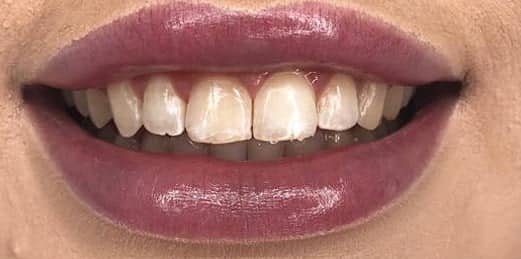
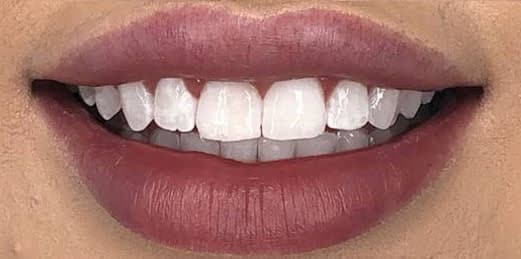
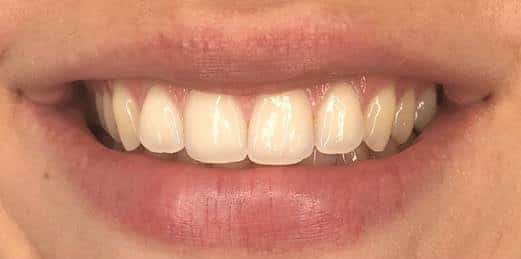
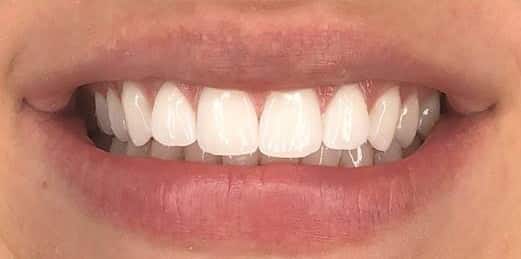
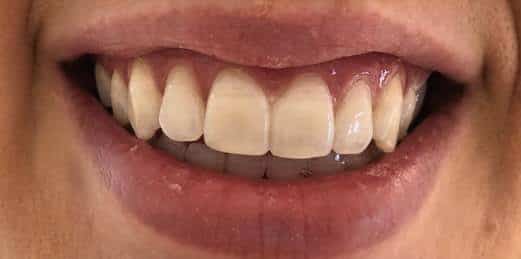
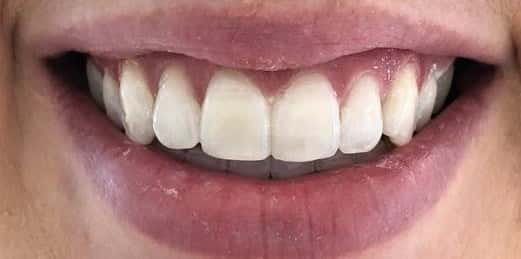
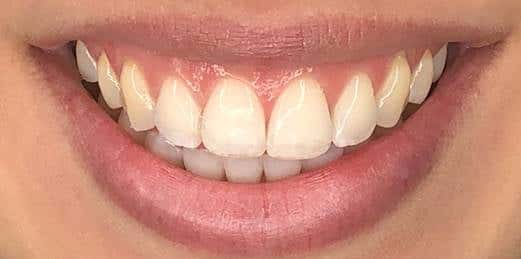
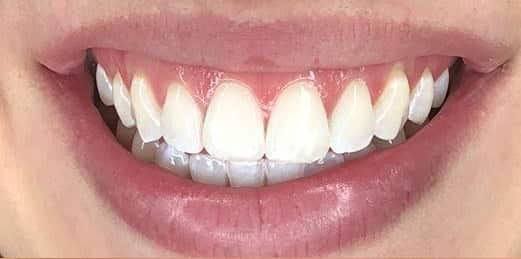
Book Your 5 Star Treatment Now | We’ve Transformed 20,000 Smiles – Are You Next?
Whether you want a confidence boost, have a special occasion or just want to look your best, whitening remains the most-requested cosmetic dental procedure. We perform free consultations before any whitening treatment to ensure that you are a suitable candidate and discuss options available to you.
We use Australia’s leading Philips professional Zoom teeth whitening that incorporates an LED light to accelerate whitening for maximum results in minimal time. We ensure that the zoom whitening process is comfortable and with our adjustable intensity Zoom light settings, we can customise this to eliminate sensitivity with little to no discomfort, and because a qualified dental professional is involved, the process is safe and reliable.
The teeth-whitening industry is largely unregulated, so why are we the place to go?
In simple terms, salons do not have the level of qualification that dentists do and are not able to advise on whether the process is appropriate for your kind of discolouration or perform a dental check-up.
Salons are restricted on the concentrates they use due to regulations and limit the strength to six percent hydrogen (18% carbamide peroxide), which may result in little or no change to tooth color. Dentists are, however allowed to do what’s called ‘power bleaching’ with strong hydrogen peroxide bleach up to 25% hydrogen peroxide, providing you with instant results in just 60 minutes.
Before your treatment begins, our dentists will assess your teeth and may recommend having your teeth professionally cleaned by us to remove any plaque build-up and ensure optimum results. Once your whitening session is completed, teeth need to be re-mineralised; otherwise, they could end up more stained than when you started. We will re-mineralise your teeth after your in-chair Zoom whitening treatment.


Take home kits are a more cost effective option that provides visible results in as little as 7 days. It involves repeated applications and uses a lower peroxide percentage due to safety measures for home use. It is also important to consider the type of staining you have as some stains are harder to remove. Take home options are less equipped to remove the deep stains and often are added as a maintenance option after in chair whitening


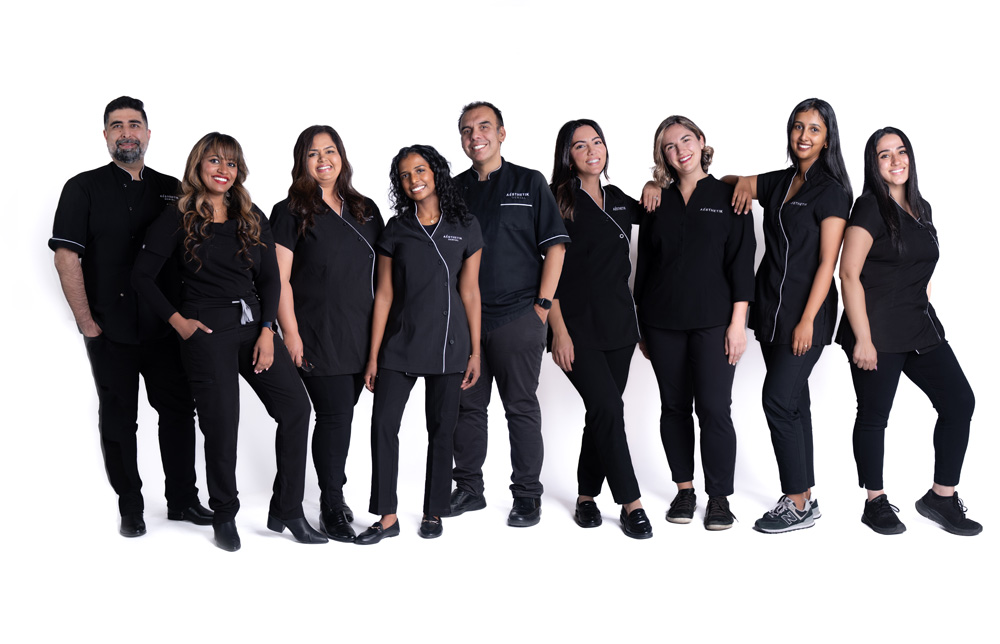
Professional teeth whitening near you delivers safer, faster and longer-lasting results than any shop-bought kit, because peroxide strength, custom-fitted trays and dentist supervision all improve both the outcome and the safety profile. In-chair whitening lifts several shades in a single 60 to 90 minute appointment, dentist-prescribed take-home trays produce comparable results over 5 to 14 days, and a combination of both usually delivers the longest-lasting change.
Whitening results depend on the type of staining, the strength of the whitening agent, and how well you maintain the result afterwards. Coffee, tea, red wine and smoking cause most everyday staining and respond well to whitening. Restorations like crowns, veneers and fillings don’t lighten with whitening gel, so any planned cosmetic work is usually scheduled after whitening.
At Aesthetik, whitening is planned around your enamel, sensitivity and lifestyle rather than a one-size-fits-all package. Book your whitening consultation to see which option suits your case.
Professional whitening uses controlled concentrations of hydrogen peroxide or carbamide peroxide applied under dentist supervision. The peroxide penetrates the enamel and breaks down the pigment molecules that cause discolouration, lightening the tooth from the inside rather than just polishing the surface. Because a dentist checks your enamel and gum health first, applies protection around soft tissues, and manages any sensitivity live, the result is both stronger and safer than any at-home retail kit can deliver.
Professional whitening gel contains a much higher concentration of peroxide than retail products, because higher-strength peroxide is a scheduled ingredient in Australia and can only be dispensed by a registered dentist. In-chair treatment applies the gel directly to the teeth with gums protected by a barrier, and often uses an LED light to accelerate the chemical reaction. Dentist-prescribed take-home whitening uses custom-fitted trays and a milder peroxide gel worn for a set period each day over 5 to 14 days.
For a stronger, more even result with less risk to enamel and gums, yes, in-office or dentist-prescribed whitening is meaningfully better than shop-bought kits. The comparison is really about peroxide strength, fit and supervision.
Factor | In-chair professional | Dentist take-home trays | Shop-bought kits |
Peroxide strength | Highest, clinical grade | Professional, prescribed | Low, regulated for retail |
Supervision | Full dentist supervision | Dentist prescribed and reviewed | None |
Shade improvement | Several shades, fast | Several shades, gradual | Minimal, uneven |
Speed to visible result | Same day | 5 to 14 days | Weeks or none |
Sensitivity management | Managed live in chair | Adjustable at home | Not managed |
Enamel safety | High, professionally applied | High, custom trays protect gums | Variable, ill-fitting trays leak gel |
Suitability for deep stains | Strong | Moderate | Weak |
Indicative cost | $450 to $900 | $250 to $500 | $20 to $80 |
Retail strips and pens can produce a mild cosmetic lift for surface staining, but they don’t reach the intrinsic discolouration that most patients actually want to address.
The longest-lasting results usually come from a combination of in-chair whitening followed by dentist-prescribed take-home trays for maintenance. In-chair produces the fast initial shade lift, and the trays let you top up at home whenever the shade starts to drift back. Standalone in-chair whitening typically holds 1 to 3 years with sensible maintenance, take-home trays hold 1 to 2 years, and the combination approach can hold 2 to 3 years before another meaningful top-up is needed.
In-chair whitening suits patients who want a visible result quickly, often before an event or a photoshoot. Take-home trays suit patients who prefer to whiten gradually at home, or who have sensitivity concerns and want more control over daily wear. Neither approach is objectively better. They serve different priorities.
Whitening results last between 6 months and 3 years depending on the treatment type, your diet and your oral hygiene. Coffee, tea, red wine, smoking and highly pigmented foods accelerate re-staining. Regular brushing, flossing and periodic top-ups with take-home trays extend results substantially.
Option | How it works | Session time | Results appear | Typical longevity | Best for | Sensitivity risk | Indicative AU price |
In-chair (light or laser activated) | High-strength peroxide activated in-clinic under dentist supervision | 60 to 90 min | Same day | 1 to 3 years with maintenance | Fast, event-ready results | Moderate, managed in clinic | $450 to $900 |
Zoom in-chair | Branded LED-accelerated peroxide system | 60 to 90 min | Same day | 1 to 3 years with maintenance | Recognised branded in-chair result | Moderate | $500 to $900 |
Dentist take-home custom trays | Custom-fitted trays with professional gel | 10 to 14 days | 5 to 10 days | 1 to 2 years, easy top-ups | Gradual control, budget-aware | Low to moderate, adjustable | $250 to $500 |
Combination (in-chair plus trays) | In-chair boost then home maintenance | Clinic plus home | Same day, then deepens | 2 to 3 years | Longest-lasting result | Moderate, managed | $600 to $1,100 |
Shop-bought strips or pens | Low-strength peroxide, no fitting | Weeks | Slow, uneven | Weeks to months | Contrast only, not recommended for real change | Higher due to poor fit | $20 to $80 |
Not all staining responds to whitening the same way, which is why an honest assessment before treatment matters. Extrinsic staining from coffee, tea, wine and smoking sits on the enamel surface and responds well to professional whitening. Intrinsic age-related staining, where the underlying dentine yellows through normal wear and thinning enamel, also responds well but usually takes longer. Some stains, like tetracycline discolouration and fluorosis, only lighten partially.
For yellowed enamel from age, diet and lifestyle, in-chair whitening or a combination approach typically produces the greatest visible change. The dentist checks enamel thickness and gum health first, applies a barrier to protect soft tissues, and monitors for sensitivity throughout. This isn’t the same as putting a high-strength gel on unprotected gums at home, which is why professional whitening rarely causes the burns or sensitivity spikes that retail products can trigger.
The type of staining matters more than the whitening product used, because some discolouration originates deeper in the tooth than peroxide can effectively reach.
Stain type | Common cause | Responds to whitening? | Recommended approach |
Extrinsic | Coffee, tea, red wine, smoking | Yes, responds well | In-chair or take-home |
Intrinsic age-related | Ageing, thinning enamel | Yes, gradual | Combination treatment |
Tetracycline or medication | Antibiotics in childhood | Partial, slow | Extended trays or veneers referral |
Fluorosis | Excess fluoride | Partial | Assessment, possible micro-abrasion |
Non-vital or trauma | Injured or root-treated tooth | Limited external effect | Internal whitening assessment |
Restorations | Crowns, veneers, fillings | No, they do not whiten | Match or replace after whitening |
If you have existing crowns or veneers on visible teeth, plan whitening first so any subsequent restorations can be shade-matched to your new whitened teeth.
Whitening is safe for the enamel when it’s done under professional supervision. The peroxide molecules penetrate the enamel and dentine to break down pigment, but they don’t erode or thin the enamel structure at prescribed clinical concentrations. Sensitivity during and after treatment is common but transient, and it’s actively managed in clinic with desensitising agents, adjusted gel strength and shorter application times where needed.
Teeth whitening is safe for enamel when performed by a dentist using appropriate peroxide concentrations and gum protection. The Therapeutic Goods Administration regulates peroxide products in Australia, and higher-strength gels used in clinic can only be dispensed by registered dental practitioners. Whitening doesn’t damage teeth at clinical concentrations, though poorly fitted retail trays can leak gel onto gums and cause chemical irritation.
Whitening isn’t painful, but sensitivity during and after treatment is common. Most patients describe brief zings or a temperature sensitivity that settles within 24 to 48 hours. Desensitising toothpaste in the week before treatment reduces this substantially, and in-clinic desensitising agents applied during the appointment further reduce the effect. Patients with pre-existing sensitivity should mention it at consultation so the gel strength and exposure time can be adjusted.
The main difference between a well-run whitening treatment and a poorly-run one is what happens before the gel is applied. A proper consultation checks enamel and gum health, confirms suitability, discusses expected shade improvement realistically, and explains sensitivity management.
See why patients choose our dentists for whitening, backed by proper clinical assessment.
Laser-activated whitening uses light energy to accelerate the peroxide reaction, which shortens treatment time and can produce a slightly stronger initial result compared to non-activated in-chair whitening. The laser doesn’t do the whitening itself. The peroxide gel does. The laser just accelerates the chemistry.
For patients who want fast, event-ready results (a wedding, a milestone birthday, a photoshoot), in-chair laser whitening delivers same-day change in a single 60 to 90 minute visit. The shade lift usually holds well for 1 to 3 years with sensible maintenance, and top-up trays extend the result further.
Professional teeth whitening in Australia typically costs between $250 and $1,100 depending on the treatment type. Dentist-prescribed take-home trays sit at the affordable end ($250 to $500), single-visit in-chair whitening runs $450 to $900, and combination packages that include both in-chair treatment and home maintenance trays run $600 to $1,100. Prices vary by clinic, package inclusions, and whether a hygiene clean is bundled.
Package pricing varies significantly by what’s actually included. A quote that looks $150 cheaper can become more expensive once take-home trays or a review appointment are added.
Package | Inclusions | Sessions | Shade review | Aftercare | Indicative range |
In-chair single visit | Consult, in-chair whitening, shade check | 1 | Before and after | Aftercare guidance | $450 to $700 |
In-chair plus top-up trays | In-chair boost, custom trays, gel | 1 clinic plus home | Before, after, review | Take-home gel and diet guide | $600 to $1,100 |
Take-home only | Impressions, custom trays, gel | Home course | Review appointment | Refill option | $250 to $500 |
Clean and whitening combo | Hygiene clean then whitening | 1 to 2 | Before and after | Maintenance plan | Confirm on prices page |
See current whitening prices for Aesthetik’s published fees and package inclusions.
Retail refill gel for take-home trays is available through our online shop once trays have been custom-fitted at the clinic.
Aesthetik provides professional teeth whitening across our clinic locations, with dentist-supervised in-chair treatments, custom-fitted take-home trays and combination packages available. Consultations start with a full oral health check to confirm suitability and identify anything (like active decay or gum inflammation) that needs to be addressed before whitening begins.
Book in-chair whitening near you to start with a consultation and shade assessment.
For most patients, dentist-prescribed take-home trays deliver the best balance of result, sensitivity management and value. For patients with an event in the diary or a preference for immediate results, in-chair whitening is the fastest visible change available. For the longest-lasting result, the combination approach is genuinely worth the extra outlay.
Safety and sensitivity are both well managed in professional settings, so if you’ve been holding off because of concerns about enamel damage or tooth sensitivity, a consultation is worth booking to have those specific concerns addressed against your actual dental history rather than general assumptions. Whitening isn’t risk-free, but the risks are small and predictable when it’s done properly.
Compare package pricing or book your whitening consultation when you’re ready to start.
Learn more about what to expect from our professional teeth whitening services with our frequently asked questions.
The length of time you can expect your teeth whitening treatment to last is dependent on a number of factors, including the type of treatment you receive and your lifestyle habits.
Some types of teeth whitening treatments are far more effective than others. In-chair whitening, for example, is likely to last longer than a take-home teeth whitening kit.
As is the case with many dental procedures, how often you brush and floss your teeth and the types of food and drink you consume will also impact the long-term effectiveness of treatment.
Hydrogen peroxide is a chemical compound commonly found in bleaching products, including teeth whitening kits. But is it safe for your teeth?
There are two factors that dictate how safe hydrogen peroxide is: the formula strength and the length of time it spends applied to your teeth. Unregulated providers of teeth whitening services may not understand this or the safety considerations that come with using teeth whitening products. They may utilise hydrogen peroxide formulas in a manner that damages your teeth.
By making an appointment with Aésthetik Dental, you can be confident that your teeth will be assessed and treated by a qualified dentist who understands hydrogen peroxide and how to apply it in a safe and effective manner. For experienced Zoom teeth whitening in Melbourne, visit Aésthetik Dental.
Caps and veneers are other types of cosmetic dental treatment that are commonly used to improve the appearance of your smile. Many patients wonder if Zoom whitening treatments are as effective on these materials as they are on natural teeth.
Generally speaking, teeth whitening will only bring crowns, caps, and veneers back to their original colour. The procedure will not whiten them beyond this point.
Crowns and veneers are designed by our dentists and in-house ceramicists to match the whiteness of your existing teeth. If you are thinking about getting crowns or veneers and are also concerned about the whiteness of your natural teeth, book a smile consultation with our qualified and experienced team. They’ll be able to advise you of your options and ensure the procedures are conducted in the correct order to guarantee your dream smile.
Generally speaking, teeth whitening is a safe and effective procedure for most patients. However, there are always exceptions. Pregnant or breastfeeding patients may be advised to avoid teeth whitening procedures, and those with pre-existing sensitive teeth may also want to pursue other treatment methods.
In chair teeth whitening tends to work best for patients whose teeth are discoloured due to age and stains from food and drink. Teeth whitening may not be as effective for those suffering from discoloured teeth due to injury, medication, or genetics.
Prior to conducting in-chair teeth whitening treatments, the team at Aésthetik Dental will perform a thorough consultation to ensure that the procedure will give you the results you are after. For high-quality Zoom whitening in Melbourne, contact Aésthetik Dental today.
Many people mistakenly believe that teeth whitening will damage your teeth. However, as is the case with many types of cosmetic procedures, providing that the process is performed by a qualified dentist, there is little risk to your dental health.
The teeth whitening industry is, to some extent, unregulated, meaning those who perform teeth whitening procedures at beauty salons are unlikely to have the dental knowledge or experience to detect problems with your teeth. They may recommend whitening products or procedures that actually do harm to your oral health or apply them in a way that leads to infection.
Prior to performing a whitening procedure, the qualified team at Aésthetik Dental will perform a free consultation to ensure you are a suitable candidate and discuss the teeth whitening options available to you.
Salons are also limited on the concentrates they can use, meaning their teeth whitening services are often not as effective as those provided by a dentist. Our dentists are permitted to perform a procedure known as ‘power bleaching’, which involves using a 25% hydrogen peroxide solution to provide impressive and effective results in a very short period of time.
Our whitening solution also contains amorphous calcium phosphate (ACP), which will reduce tooth sensitivity, protect enamel, and improve the smoothness of your teeth.
If you are looking for a clinic that provides safe and effective teeth whitening in Melbourne, ensure you visit the qualified and experienced team at Aésthetik Dental.
Another common concern is that teeth whitening leads to sensitive teeth. This is linked to the belief that hydrogen peroxide can strip the enamel from your teeth, exposing the nerves underneath.
Provided that a qualified dentist performs your teeth whitening procedure, you should not experience overly sensitive teeth post-treatment. The dentist will understand exactly what products to apply, in what concentrations, and for the correct length of time to reduce the risk of sensitivity.
Prior to your teeth whitening treatment, Aésthetik Dental will provide a free consultation to ensure you’re a suitable candidate. If there are weaknesses found that increase the likelihood of developing sensitive teeth, we may recommend alternative treatment options.
While mild teeth sensitivity may occur post-whitening, the sensation should disappear in a few short hours.