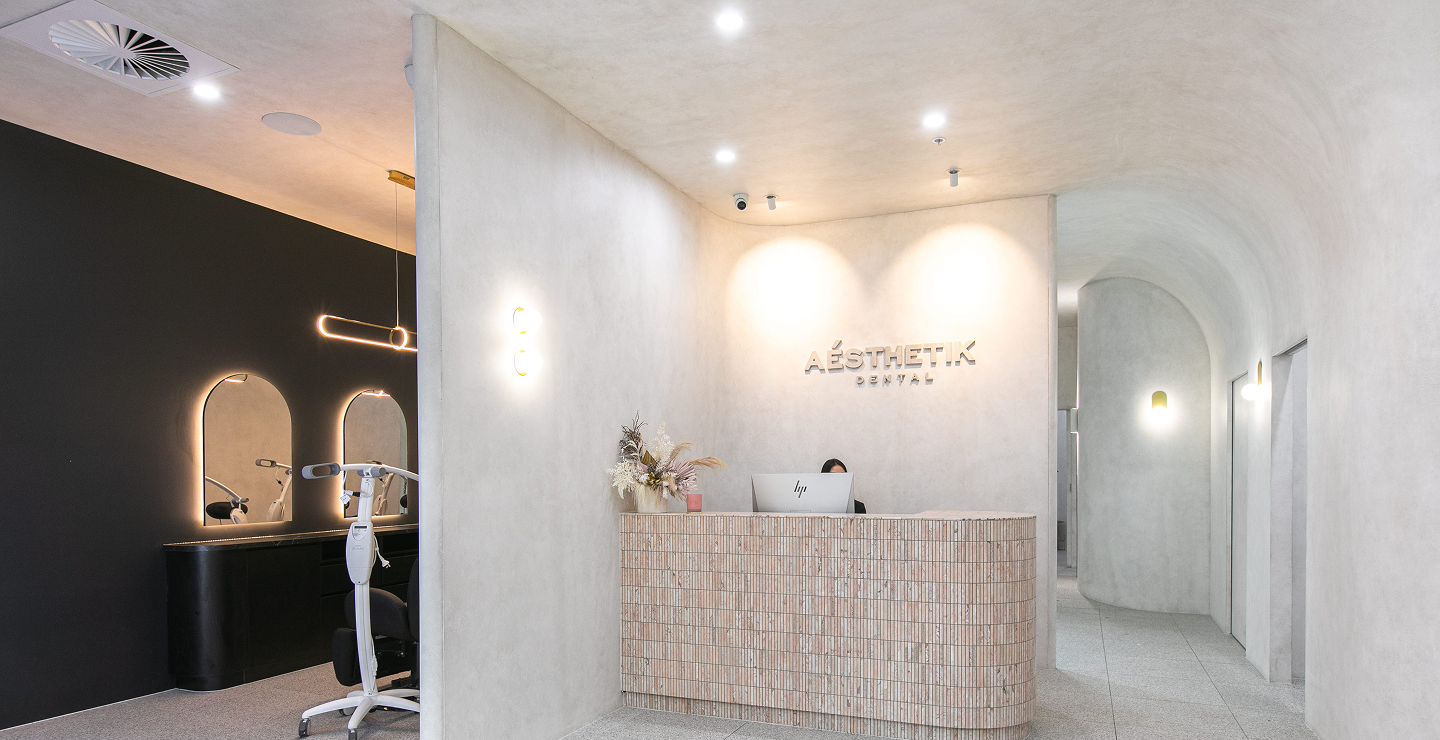
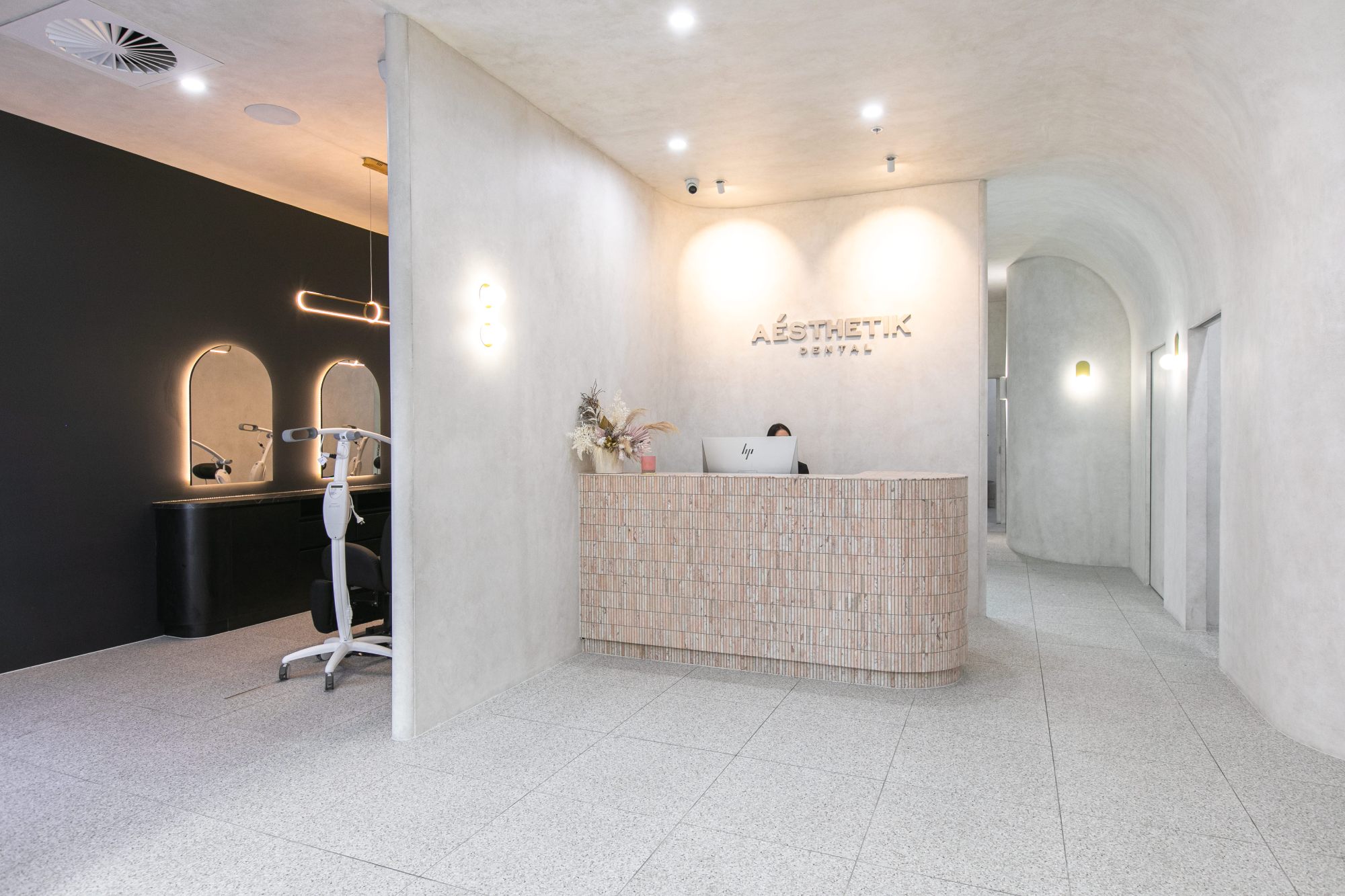
A veneers consultation in Melbourne typically takes 45 to 75 minutes and covers a smile assessment, oral health check, digital photography, intraoral scanning, a discussion of porcelain versus composite materials, smile design planning, and a transparent cost breakdown. Many Melbourne cosmetic dentists offer the initial appointment complimentary, and a thoughtful provider treats it as a collaborative planning session rather than a sales pitch. Patients usually leave with an indication of how many veneers their case would need, which material is best suited, what the realistic outcome looks like, and an itemised written quote. Smile previews and wax-ups are also discussed during the visit.
Your consultation at a glance:
- Duration: 45 to 75 minutes
- What to bring: Reference photos of smiles you find natural-looking, your medical history, and past dental records
- Imaging: Digital photography, intraoral scanning, and X-rays, where clinically appropriate
- Outcome: Suitability assessment, material recommendation, smile design discussion, and a written quote
Book your veneers consultation at Aesthetik to start exploring your smile transformation options.
Dental Veneers Consultation Near Me for Worn Front Teeth
Worn, chipped, or aged-looking front teeth are one of the most common reasons patients book a veneers consultation. Tooth wear comes from a mix of grinding, acidic erosion, age, and previous dental work, and the planning depends on understanding which factors are at play before deciding how veneers fit into the solution.
Veneers can restore tooth length, improve shape and symmetry, mask discolouration that whitening cannot address, and rebalance the proportions of the smile. For patients whose front teeth have shortened with wear, veneers can return them to a more youthful length without the extensive preparation required for crowns. For patients with chipped or uneven edges, veneers create a uniform finish across the visible smile.
The consultation also looks at why the wear happened in the first place, because veneers placed over a heavy grinding habit will not last as long as those placed alongside a properly fitted night guard. Bite analysis and discussion of habits such as bruxism are part of a thorough first appointment.
Book a personalised veneers consultation at Aesthetik to explore your options.
What Happens During a Cosmetic Veneers Consultation With a Dentist?
A cosmetic veneers consultation is structured around three goals: confirming whether veneers are the right treatment, designing a smile that suits your face rather than copying a generic template, and giving you the information needed to commit (or not) without pressure.
The visit usually opens with a discussion of what you would like to change, including specific concerns about colour, shape, length, or symmetry. Reference photos help give the dentist a clearer sense of your aesthetic preferences. The conversation should also cover what you want to keep about your existing smile.
The clinical examination assesses tooth structure, gum health, bite mechanics, and how your smile sits relative to your face. Veneers placed without facial harmony in mind tend to look obvious even when technically well-made, so planning includes how the upper lip frames the teeth and how the proportions relate to the rest of the face.
Diagnostic records typically include digital photographs from multiple angles, intraoral scanning, and photographs of facial proportions. X-rays may be added if the dentist needs to assess root position or existing dental work.
| Consultation Step | What Happens |
| Smile assessment | Tooth shape, colour, alignment, and concerns reviewed |
| Digital photography | Smile analysis and facial balance evaluated |
| Intraoral scanning | 3D model of teeth and gums captured |
| Oral health examination | Gum health, decay, and existing dental work checked |
| Material discussion | Composite versus porcelain trade-offs explained |
| Smile design planning | Desired outcome, shape, colour, and proportions discussed |
| Cost and timeline review | Treatment phases, fees, and payment options explained |
The smile design phase is where the consultation becomes genuinely collaborative. Modern cosmetic dentistry uses digital smile design software to preview proposed changes on screen, allowing the patient to refine the planned outcome before any preparation begins. For more detailed cases, a physical wax-up or trial smile can be created. For information on cosmetic dentistry standards in Australia, the Australian Dental Association provides consumer guidance.
Book your veneers consultation online.
Porcelain Veneer Consult for Discoloured, Chipped, and Uneven Teeth
Porcelain veneers are the cosmetic dentistry option most commonly used to address a combination of concerns at once: discolouration that does not respond to whitening, chipped or worn edges, uneven tooth shapes, and small alignment issues.
Discolouration is one of the strongest reasons patients choose porcelain over composite. Internal staining from medications, fluorosis, trauma, or root canal treatment does not respond meaningfully to whitening. Bonding can mask it temporarily, but tends to discolour itself over a few years. Porcelain covers the affected surface entirely, and ceramic resists staining for the lifetime of the veneer.
| Smile Concern | Veneer Suitability |
| Deep internal staining | Highly suitable for porcelain |
| Chipped or worn front teeth | Highly suitable |
| Uneven tooth shape or symmetry | Highly suitable |
| Small gaps between teeth | Often suitable |
| Mild alignment issues | Sometimes suitable depending on extent |
| Severe misalignment | Usually needs orthodontic treatment first |
Patients sometimes ask whether to whiten before veneers. If only a few front teeth are being veneered, whitening the surrounding natural teeth first usually makes sense so the veneers are matched to the brighter shade. Severe alignment issues are usually outside the scope of veneers alone and are typically better treated with Invisalign or braces first.
See why patients choose Aesthetik for veneers.
How Many Veneers Do You Need for a Full Smile Makeover?
The number of veneers depends on how wide your smile is, how many teeth show when you laugh, and what you actually want to change. There is no universal answer.
The starting question is which teeth show when you smile naturally. For some patients, only the four upper front teeth are visible at conversational distance, and four veneers may be enough. For patients with a wider smile that shows the canines or premolars, six, eight, or even ten veneers may be needed to maintain visual consistency.
| Number of Veneers | Common Purpose |
| 2 to 4 veneers | Targeted cosmetic correction of central front teeth |
| 6 veneers | Full upper front-smile transformation |
| 8 veneers | Broader smile transformation, including premolars |
| 10 or more veneers | Full upper arch redesign for wide smiles |
Patients sometimes assume that more veneers automatically mean a better result, but the proportionate approach often produces a more natural outcome. If your concern is only the central two teeth, veneering them carefully and leaving the rest alone can look more authentic than over-treating the entire visible arch.
A skilled cosmetic dentist plans the number based on what your smile actually shows, not on a default package. The wax-up or digital preview is where this gets refined before any tooth preparation begins.
Book your veneers consultation online to discuss the right number for your smile.
Cost Breakdown Discussed During a Dental Veneers Consult Appointment
Veneer pricing varies more than most cosmetic dental treatments because the total cost depends on the material, the number of veneers, the complexity of the smile design, and the laboratory craftsmanship involved.
| Factor | Impact on Cost |
| Veneer material | Porcelain typically costs more than composite |
| Number of veneers | More veneers increase the total fee proportionally |
| Smile design complexity | Wax-ups, trial smiles, and digital design add planning value |
| Laboratory craftsmanship | Premium ceramics and hand-layering affect pricing |
| Preparatory treatment | Whitening, contouring, or orthodontic work may be needed first |
Patients often ask why one Melbourne quote differs significantly from another. The answer is usually a combination of material choice, the laboratory used, and whether the quote includes the planning phase or only the veneer fabrication and fitting. When comparing quotes, ask each provider for an itemised breakdown that covers consultation, smile design, the veneers themselves, fitting appointments, and any expected adjustments.
Many Melbourne clinics offer payment plans for cosmetic treatments, with terms typically ranging from 12 to 36 months. Veneers are not generally covered by Medicare, and most private health extras provide limited cosmetic dentistry rebates. For consumer guidance on private health extras, PrivateHealth.gov.au is the Australian Government’s independent comparison service.
View Aesthetik’s pricing and compare options before committing.
Veneer Consultation for Closing Gaps Without Orthodontic Treatment
Closing gaps with veneers is a common cosmetic concern. Veneers can close small to moderate gaps effectively by being made slightly wider than the natural teeth, which fills the space with porcelain rather than moving the teeth together. The result is faster than orthodontics and produces a uniform aesthetic outcome, although it is not the right answer for every gap.
A small gap of 1 to 2mm between the front teeth often closes well with veneers, particularly if the patient also wants improvements in colour, shape, or symmetry. Larger gaps, multiple gaps, or gaps connected to underlying alignment issues may be better treated with orthodontics first.
| Feature | Veneers | Invisalign |
| Treatment speed | Faster, typically 2 to 4 weeks | Gradual alignment over 3 to 18 months |
| Tooth movement | No, the teeth stay where they are | Yes, teeth physically move into position |
| Suitable for small gaps | Yes, particularly with shape changes | Yes, especially for isolated gaps |
| Suitable for moderate gaps | Sometimes | Often the better solution |
| Shape and colour changes | Yes, in the same treatment | No, only alignment changes |
| Reversibility | Limited, requires enamel preparation | More conservative |
The trade-off is one of conservatism. Closing a gap with Invisalign moves the natural teeth without changing them, while veneers require preparing the adjacent teeth and committing to porcelain restorations long-term. Neither approach is universally better; they suit different priorities.
Learn more about veneers at Aesthetik.
Questions to Ask About the Longevity of Porcelain Veneers
Longevity is one of the most important questions to clarify, because the lifespan of the result affects the long-term value of the investment. Porcelain veneers typically last 10 to 20 years with proper care.
The questions worth asking your dentist include:
- How long should veneers realistically last for someone with my habits and oral health?
- Are night guards or splints recommended after treatment? Custom night guards significantly extend veneer lifespan for patients with grinding habits.
- Can veneers stain over time? Porcelain is highly stain-resistant, but the bonding agent at the edge can stain if oral hygiene is inconsistent.
- What maintenance is required? Standard oral hygiene, regular professional cleans, and avoiding habits such as opening packages with your teeth all extend the result.
- What happens if a veneer chips or debonds? Minor chips can sometimes be polished or repaired; larger damage usually requires replacement.
- What is the warranty or replacement policy if a problem arises?
A useful question to close on is what the long-term replacement plan looks like. Veneers are a long-term commitment because the underlying tooth structure has been prepared, and at some point, the veneer will need replacing rather than removing.
Browse aftercare and oral hygiene products to support the long-term care of your veneers.
Local Cosmetic Dentist Offering a Free Initial Veneer Consultation
Many Melbourne cosmetic dentists offer the initial veneers consultation complimentary, but the practical question is what makes one consultation more useful than another. Indicators of a thorough cosmetic dentistry clinic include:
- A genuine smile gallery of cases similar to yours, not generic stock photography
- Digital smile design or wax-up planning as standard, rather than a verbal description of the proposed outcome
- An honest conversation about whether veneers are the right treatment, including alternatives such as whitening, bonding, or orthodontics, where appropriate
- A natural aesthetic philosophy that suits your face and personality, rather than a one-size-fits-all bright white smile
- Itemised written quoting that breaks down planning, materials, fitting, and any follow-up
- Verifiable practitioner registration through the AHPRA public register
A consultation that pushes a specific number of veneers without explanation, skips smile design entirely, or pressures you to commit on the same day is generally a sign to look elsewhere. The Dental Board of Australia regulates cosmetic dental practice nationally, and you can verify any practitioner’s registration through the Dental Board of Australia.
See why patients choose Aesthetik for cosmetic dentistry.
Trial Smile and Wax-Up Options at a Veneers Consultation
The trial smile and wax-up are two of the most useful planning tools in modern cosmetic dentistry. They serve the same goal: showing you the proposed result before any tooth preparation happens.
A digital smile simulation uses photographs and software to visualise the proposed changes on screen. It is fast and useful as a starting point, although a digital preview cannot show how the result feels in the mouth.
A wax-up takes the planning a step further. The dental technician hand-sculpts the proposed result on a model of your teeth, using wax to build up the new shape. This produces a physical 3D preview that serves as the blueprint for the eventual veneers.
A trial smile (or mock-up) extends the wax-up into your actual mouth. The dentist applies temporary tooth-coloured material directly over your existing teeth, shaped to match the wax-up, so you can see and feel the proposed result for an hour or so before it is removed.
| Smile Preview Method | What It Shows |
| Digital smile simulation | On-screen visualisation of proposed changes |
| Wax-up model | Physical 3D preview of a model of your teeth |
| Trial smile (in-mouth mock-up) | Temporary preview applied directly over your teeth |
| Before-and-after planning images | Side-by-side comparison of the current and proposed results |
Patients who see and approve their proposed result before treatment begins are far less likely to have surprises at the fitting stage. Not every case needs every type of preview, but complex full smile makeovers usually benefit from a physical wax-up and trial smile to refine the design properly.
Book your veneers consultation online to discuss smile preview options.
Which Veneer Material Is Best Discussed at the Dentist Consult?
The choice between composite and porcelain veneers is one of the most important decisions made at the consultation, and the right answer depends on your specific case rather than a universal preference.
Composite veneers are sculpted directly onto the tooth in a single appointment using tooth-coloured resin. They are less expensive, can be placed quickly, and are largely reversible because little or no enamel is removed. The trade-offs are that composite stains more readily over time, have a shorter typical lifespan, and rely heavily on the artistic skill of the clinician.
Porcelain veneers are custom-fabricated in a dental laboratory and bonded to the tooth after a thin layer of enamel is removed. They cost more upfront, take 2 to 4 weeks across multiple appointments, and require permanent enamel preparation. The advantages are superior longevity, excellent stain resistance, and a more natural light-handling quality.
| Feature | Composite Veneers | Porcelain Veneers |
| Cost per tooth | Lower upfront | Higher upfront |
| Typical lifespan | 5 to 8 years | 10 to 20 years |
| Stain resistance | Moderate, may yellow over time | Excellent, stable for the lifetime of the veneer |
| Natural appearance | Good in skilled hands | Premium, hand-layered colour and translucency |
| Repairability | Easier to repair or refresh in the chair | Repair requires laboratory work or replacement |
| Treatment time | Usually one appointment | Multiple appointments over 2 to 4 weeks |
| Reversibility | Largely reversible | Not reversible due to enamel preparation |
Patients sometimes ask whether they can start with composite and upgrade to porcelain later. The answer is yes; composite can be removed and replaced with porcelain at any time without additional damage to the underlying tooth, which makes composite a sensible starting point for patients who want to test their preferences.
Learn more about veneers at Aesthetik.
Expert Viewpoint on Veneers Consultations and Natural Smile Design
The patterns that distinguish excellent veneer outcomes from disappointing ones come down to two factors: how thoroughly the smile was planned before treatment began, and how well the design suited the patient’s face and personality rather than copying a generic template.
The most consistent observation from clinical experience is that veneers placed without proper planning tend to look obviously cosmetic, even when the technical execution is good. The “Hollywood smile” template of bright white, uniform, perfectly straight teeth looks fine on certain faces and lifestyles, but reads as artificial on most patients. Skilled cosmetic dentistry creates results that look like the patient’s own smile, just refined.
Facially-considered design matters more than most patients realise during planning. The width of the upper teeth, the curve of the smile line, the proportions of the central incisors, and the way the smile sits within the lower lip all contribute to whether the final result looks harmonious or imposed. Patients who use the trial smile or wax-up phase to make active design decisions, rather than passively accepting the first proposal, generally end up happier with the outcome.
If you would like a consultation built around facially considered smile design, transparent planning, and a no-pressure conversation, book your free veneers consultation at Aesthetik or view our pricing.
Booking Your Veneers Consult at Aesthetik in Melbourne
A good veneers consult sets the foundation for a smile transformation that holds up aesthetically and clinically over many years. The goal is to leave with a clear understanding of whether veneers suit your case, which material is right, how many you would need, and what the all-inclusive cost involves.
If you are ready, book your veneers consultation at Aesthetik, view our pricing, or see why patients choose us for cosmetic dental treatment.
Frequently Asked Questions About Veneers Consultations
How much do veneers cost in Melbourne?
Porcelain veneers in Melbourne typically range from $1,200 to $2,500 per tooth, while composite veneers usually fall between $400 and $900 per tooth. The total cost depends on the number of veneers, material choice, smile design complexity, and laboratory craftsmanship.
Are porcelain veneers worth the investment?
For patients seeking a long-lasting, stain-resistant, naturally aesthetic result, porcelain veneers generally offer strong long-term value. The 10 to 20-year typical lifespan, low maintenance, and stable appearance often justify the upfront cost compared with composite veneers.
Can veneers look completely natural?
Yes, when planned and placed by an experienced cosmetic dentist using premium materials and facially considered smile design. Hand-layered porcelain in particular can replicate the translucency and colour variation of natural enamel convincingly.
How long do veneers typically last?
Porcelain veneers typically last 10 to 20 years with proper care, and composite veneers usually last 5 to 8 years before refurbishment or replacement. The actual lifespan depends on grinding habits, oral hygiene, and material quality.
Are veneers painful to get?
The veneer placement process is generally comfortable and uses local anaesthetic during the preparation appointment for porcelain veneers. Some sensitivity to temperature is normal during the few days after preparation and typically settles once the final veneers are bonded.
Is there any obligation after a free veneers consultation?
No, a complimentary consultation at a reputable Melbourne clinic carries no obligation to proceed. The appointment is designed to be educational and collaborative, and patients are encouraged to take the written quote home and decide in their own time.
Can veneers fix small gaps and uneven teeth?
Yes, veneers can effectively close small gaps (typically up to 2mm) and improve mild shape unevenness in the same treatment. Larger gaps or severe alignment issues usually need orthodontic treatment first.
How many veneers are usually needed for a smile makeover?
Most smile makeovers use between 6 and 10 veneers, depending on how many teeth show when you smile naturally. The consultation determines the right number based on your smile width and aesthetic goals.
What happens after the initial veneers consultation?
After the consultation, patients usually take time to review the written quote and consider the proposed plan. If you commit, the next appointment typically involves a detailed smile design phase with wax-ups or digital previews, followed by tooth preparation and impressions. Final veneers are fitted 2 to 4 weeks later.
How do I choose the best veneers dentist in Melbourne?
Look for a cosmetic dentist with a relevant before-and-after gallery, digital smile design or wax-up planning, transparent itemised quoting, a natural aesthetic philosophy, and verifiable AHPRA registration.

Victoria Viti is the Creator & Founder of Aesthetik Dental, a leading general and cosmetic dental practice in Melbourne and Geelong. With a passion for redefining modern dentistry, she blends clinical expertise with aesthetics to deliver transformative, patient-centered care. Victoria is known for her innovative approach to smile design, focusing on accessibility, confidence, and natural results. Her work reflects a commitment to excellence, patient satisfaction, and advancing dentistry as both a science and an art.