The best dentist in Melbourne is a registered, experienced clinic that offers transparent pricing, modern care, and a comfortable patient experience. Check credentials, reviews, services, and communication style before committing.
A good first visit tells you more than any advertisement ever could.
Key Takeaways
- Confirm the dentist is AHPRA registered and holds recognised dental qualifications.
- Look for transparent pricing and clear, written treatment plans.
- Read genuine reviews, but weigh patterns over individual comments.
- Choose a clinic with the services your family needs now and later.
- Convenience (near home or work) supports regular visits.
- How comfortable you feel at the first visit matters a great deal.
How Do You Choose a Good Dentist in Melbourne?
To choose a good dentist in Melbourne, start by confirming registration, checking services offered, reading reviews, and assessing how clearly the clinic communicates about costs and treatment.
The right clinic is not always the closest one or the cheapest one. The decision is worth taking seriously.
Melbourne has hundreds of dental clinics, from large group practices in shopping centres to small independent studios in inner-city suburbs. The range of quality, communication standards, and pricing transparency varies considerably. Knowing what to look for cuts through that noise quickly.
What to Look For in a Dentist
Look for AHPRA registration, recognisable dental qualifications (such as BDS, BDSc, or DDS), and a clear record of practising in good standing with the Dental Board of Australia. Everything else builds from there.
Beyond credentials, pay attention to how the clinic communicates before you even walk through the door.
- Are prices published or available on request?
- Is the booking process straightforward?
- Do they explain what happens at a first appointment?
Modern dental technology also tells you something useful. Clinics that invest in digital X-rays and intra-oral cameras are committed to precise diagnosis and giving patients a clear view of what is happening in their own mouths.
That commitment to clinical transparency is worth seeking out.
| Factor | Why it matters | What good looks like |
| Registration and qualifications | Confirms competence and safety | AHPRA registered, clear credentials |
| Transparent pricing | Avoids surprise bills | Written quotes, published prices |
| Range of services | One clinic for your needs | General, preventive, cosmetic options |
| Reviews and reputation | Reflects patient experience | Consistent, genuine positive feedback |
| Communication | Builds trust and informed choice | Clear explanations, no pressure |
| Convenience | Supports regular visits | Easy location, flexible hours |
What Makes a Dental Clinic Trustworthy?
A trustworthy dental clinic publishes or readily provides fees, provides written treatment plans before work begins, and ensures you give genuine informed consent before any procedure.
The Australian Dental Association (ADA) sets practice standards that reputable clinics follow, and membership of the ADA is a reasonable indicator that a clinic takes its professional obligations seriously.
Continuity of care matters too. A clinic where you see the same dentist across appointments builds genuine clinical familiarity over time. Your treating dentist develops an understanding of your history, your risk profile, and your preferences that a rotating roster of clinicians cannot replicate.
Find out what sets our clinic apart and how we approach patient care.
How Do You Know If a Dentist Is Good?
The clearest sign of a good dentist is that they show you the evidence behind their recommendations. They explain what they found, show you the X-rays or intra-oral camera images that support the diagnosis, and give you a written treatment plan with itemised costs before anything happens. You leave the appointment informed, not confused.
Credentials and Registration to Check
Anyone can verify a dentist’s registration using the AHPRA public register. The search is free and takes about 30 seconds. You can confirm the dentist’s full name, their registration status, their qualifications, and whether any conditions have been placed on their registration.
Dental qualifications to look for include BDS (Bachelor of Dental Surgery), BDSc (Bachelor of Dental Science), and DDS (Doctor of Dental Surgery), all of which represent completion of a university-level dental degree.
Additional postgraduate training in a specific field, such as orthodontics or periodontology, indicates specialist registration, which you can also confirm via AHPRA.
Continuing professional development (CPD) is mandatory for all registered dentists in Australia. A good dentist is actively updating their clinical skills, not relying solely on what they learned at graduation. It is a reasonable question to ask a new clinic, and a confident answer is a good sign.
Signs of High-Quality, Modern Care
Clinical indicators of a well-run practice are visible from the waiting room onward. Clean, well-maintained facilities with modern equipment, attentive staff, and clear systems for explaining costs and treatment options all reflect a practice that takes its standards seriously.
Infection control and sterilisation standards are non-negotiable under Australian law. Visible adherence to those standards gives you confidence that the clinic treats compliance as a baseline, not a box to tick. These include:
- Sealed instrument pouches
- Clear autoclave processes
- Use of appropriate personal protective equipment
Digital X-rays reduce radiation exposure compared to conventional film and produce images that can be shown to you on screen during the appointment. An intra-oral camera lets the dentist show you in real time what they are seeing.
If a clinic uses neither, that is worth noting.
| Green flags | Red flags |
| Clear, itemised quotes | Vague pricing, pressure to decide fast |
| Registered, experienced team | Unclear credentials |
| Patient-centred communication | Dismissive or rushed manner |
| Modern, clean facilities | Poor hygiene or outdated equipment |
| Genuine, consistent reviews | Few reviews or recurring complaints |
Are Dentist Reviews Reliable?
Dentist reviews are useful, but not the whole picture. They are most valuable when read for patterns across multiple reviews over time rather than individual five-star or one-star comments. A single glowing review tells you very little.
Fifteen reviews over two years that consistently mention the same clinician’s communication style tells you quite a lot.
How to Read Reviews Wisely
Look for reviews that mention specific experiences: how the dentist explained findings, how pricing was handled, how the clinic managed anxious patients, what the follow-up process looked like.
Generic praise (“great experience, highly recommend”) carries less weight than detail.
Be cautious of a clinic with very few reviews relative to how long it has been open. Be equally cautious of a sudden cluster of five-star reviews in a short period. Consistent, detailed, genuine feedback on a Google Business Profile built over time is the most reliable signal.
Negative reviews are worth reading carefully, too.
A single complaint from a clearly disgruntled patient who offers no specifics is different from three separate patients describing the same issue with billing. The pattern matters more than the rating.
Questions to Ask a New Dentist Before You Commit
Before choosing a new dental clinic, asking a few direct questions can save you significant time and money. A transparent, confident practice will always answer these without hesitation:
- What exactly is included in the first appointment fee? Follow up by asking what will be quoted additionally if they find any underlying issues during the exam.
- How are costs communicated before treatment proceeds? Ensure the clinic explicitly confirms that you will always receive a price breakdown before any work begins.
- Is this clinic a preferred provider with my health fund? This helps you understand how your private health insurance benefits will apply and minimizes out-of-pocket expenses.
- How does your team handle nervous or anxious patients? Ask this to evaluate their patient care approach, comfort options, and bedside manner.
- What is your experience with [specific treatment], and when do you refer to a specialist? A reputable dentist will prioritize your medical outcome over their own calendar and refer you to a specialist if your case is highly complex.
- Can I see my treatment plan in writing before committing to anything? Any clinic worth attending should readily provide a written plan featuring official ADA item numbers, clear procedure explanations, and an exact breakdown of costs alongside expected insurance rebates.
Ready to ask those questions in person? Book a first appointment online and see for yourself.
General vs Cosmetic vs Specialist Dentists
Preventative treatments, routine fillings, and everyday oral hygiene fall under the care of a general dentist, who manages the vast majority of standard dental needs.
If you want to alter the appearance of your smile through treatments like teeth whitening or veneers, you would look for a cosmetic dentist. It’s worth noting that cosmetic dentistry describes the specific focus of a practitioner’s work rather than a separate, official registration category.
True specialists are clinicians who have completed years of advanced postgraduate university training recognized by the Dental Board of Australia.
These professionals limit their practice strictly to their expert field, such as orthodontists for braces, endodontists for complex root canals, or periodontists for advanced gum disease.
| Type | Focus | Typical services | When to choose |
| General dentist | Everyday and preventive care | Check-ups, fillings, cleans, extractions | Routine and family care |
| Cosmetic dentist | Appearance of teeth | Whitening, veneers, bonding | Improving your smile |
| Specialist | Complex, focused treatment | Orthodontics, root canals, gum surgery | Referred or complex cases |
Which Type of Dentist Do You Need?
For most people, a general dentist who also offers cosmetic dentistry services covers everything from routine check-ups and preventive care through to whitening, veneers, and smile improvements.
You do not need to seek out separate clinics for general and cosmetic needs if you choose a clinic that offers both under one roof.
Specialist referral becomes relevant when a case exceeds what a general dentist handles confidently. A good general dentist will tell you when that threshold is reached and refer you accordingly. If a dentist is reluctant to refer out complex cases, that is a clinical concern rather than a sign of capability.
Choosing a Family Dentist in Melbourne
Finding a great family dentist means looking for a clinic that feels genuinely comfortable for everyone in your household, from toddlers experiencing their first check-up to grandparents maintaining their smiles.
Children have vastly different clinical requirements and emotional needs than adults, meaning the team must excel at managing early dental anxiety.
Establishing a long-term relationship with a single dental practice offers massive benefits for your household over time. When a practitioner understands your family’s unique medical history, they can easily identify genetic patterns and catch emerging issues early. This ensures seamless continuity of care as your kids grow up.
That level of personal familiarity and trust is worth far more than a one-off discount at a corporate clinic.
When evaluating a new clinic, look beyond the dental chair to see how they accommodate families:
- The Environment: Check the waiting room. A practice that thoughtfully designs its physical space to be welcoming for kids clearly prioritizes the entire patient experience.
- Anxiety Management: Ask the staff directly about their approach to treating nervous children and anxious adults.
- Scheduling Flexibility: Managing school, work, and family life is tough. A family-friendly clinic makes regular visits stress-free by offering extended weekday hours, early morning slots, and Saturday appointments.
How Much Does a Dentist Cost in Melbourne?
A standard check-up and clean in Melbourne costs between $180 and $350 for a single appointment, or between $250 and $450 as a bundled new patient package including examination, scale and clean, fluoride treatment, and bitewing X-rays.
Fees vary by clinic, location, and what is found during the examination.
Below is a guide to common ADA item numbers and indicative fees for 2026, based on current Australian averages.
| Service | ADA Item | Typical Fee (2026) | Typical Health Fund Rebate |
| Comprehensive exam (new patient) | 011 | $65 to $95 | $40 to $70 |
| Scale and clean | 114 | $130 to $190 | $90 to $150 |
| Fluoride application | 121 | $30 to $55 | $20 to $40 |
| Bitewing X-rays (two films) | 022 | $60 to $110 | $40 to $80 |
| Panoramic OPG X-ray | 037 | $130 to $180 | $80 to $130 |
| New patient package (bundled) | combined | $250 to $450 | varies by fund |
| Emergency consultation | 014 | $90 to $140 | $50 to $90 |
| Composite filling (one surface) | 521 | $180 to $260 | $110 to $180 |
Figures are indicative Australian averages for 2026. Individual clinic fees vary. Confirm at booking.
Most private health insurance extras policies cover preventive dental care including check-ups, cleans, and X-rays, with the out-of-pocket gap depending on your fund, your cover level, and whether the clinic is a preferred provider. HICAPS terminals at most Melbourne clinics allow you to claim your rebate on the spot.
Balancing Cost with Quality
A higher price tag never guarantees superior dental work, just as a lower rate doesn’t automatically mean poor service. The real measure of a quality clinic is complete financial transparency.
A trustworthy dentist will always give you a written treatment plan detailing official ADA item numbers before picking up a tool, ensuring that any changes to your estimate are explained and approved by you in advance.
Interestingly, the patients who end up spending the most money on their teeth over a lifetime are almost always the ones who skip the dentist out of cost concerns. A routine check-up and clean is a tiny fraction of the price of a complex root canal, which itself is only a fraction of the cost of a dental implant.
Prioritising preventative visits is the single most cost-effective financial decision you can make for your wallet.
See our full transparent pricing with no hidden fees.
Should You Choose a Dentist Near Home or Work?
Deciding whether to book a dentist close to your house or near your office depends entirely on your lifestyle. Neither option is perfect for everyone, but looking at your weekly routine usually makes the choice simple.
- Choosing Near Home: This option is ideal for families with children, weekend visits, and unexpected dental emergencies outside of business hours. It keeps your healthcare local and makes managing multiple family schedules much easier.
- Choosing Near Work: This setup works beautifully for single professionals with demanding corporate schedules. It allows you to slip out for a quick weekday lunchtime appointment or head over immediately after clocking off, meaning you don’t have to sacrifice your weekends.
Ultimately, the best dentist is the one you show up to see. If you have a busy household, a clinic near home usually wins. If your life revolves around your office location, proximity to work removes the friction that causes people to cancel.
How Often Should You Change Your Dentist?
You generally only need to switch dentists if you move to a new area, your current clinic closes, the customer service drops, or you receive an excellent personal recommendation elsewhere.
If you do decide to switch, the transition is simple. You can legally request your clinical notes, history, and X-rays to be transferred directly to your new practice.
Instead of worrying about switching clinics, focus on how often you actually sit in the dental chair. Healthy adults should schedule a check-up and clean twice per year to keep their smiles on track.
If you have a higher risk of tooth decay, active gum disease, or a history of complex dental work, your practitioner might suggest coming in more frequently. Staying with the same trusted professional across these regular visits builds a comprehensive clinical history, making it much easier for them to catch subtle changes in your mouth over time.
Why South Melbourne Patients Choose Our Clinic
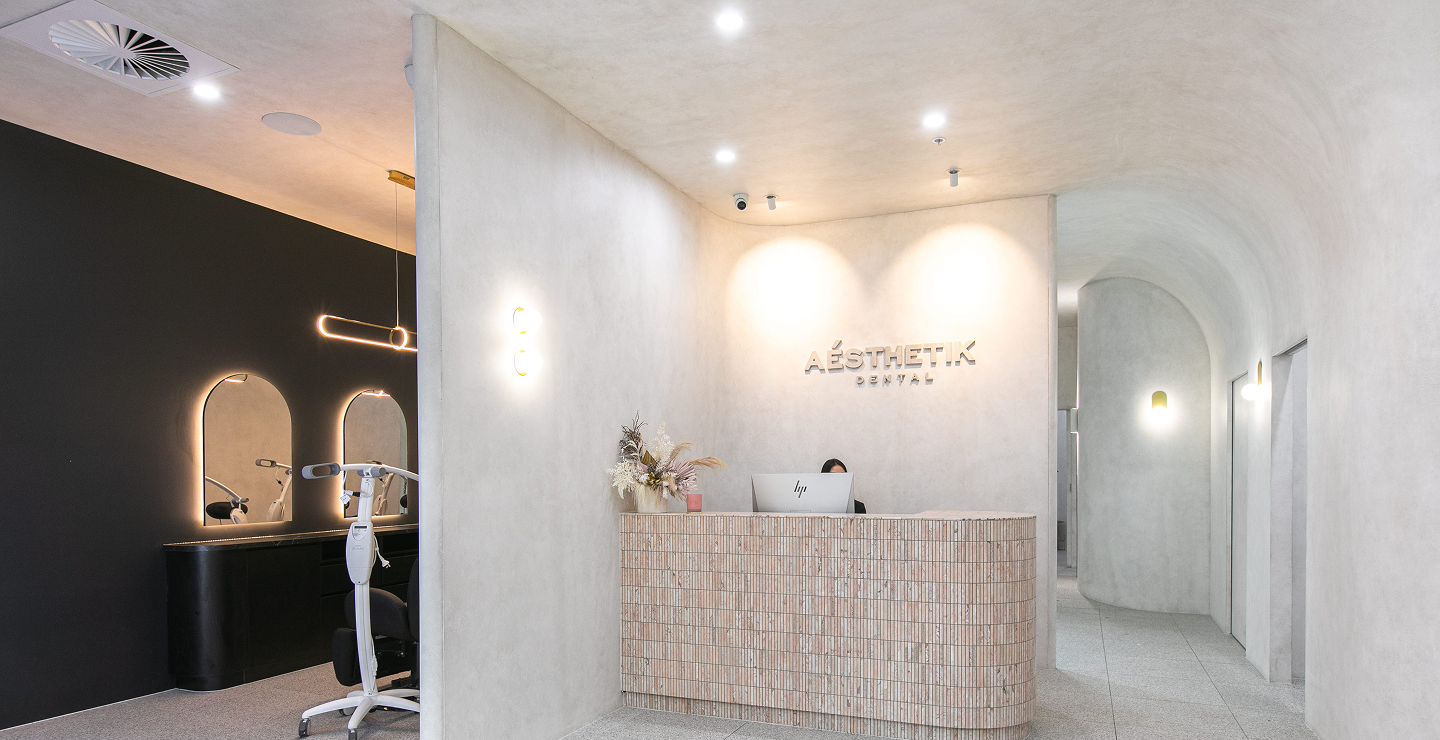
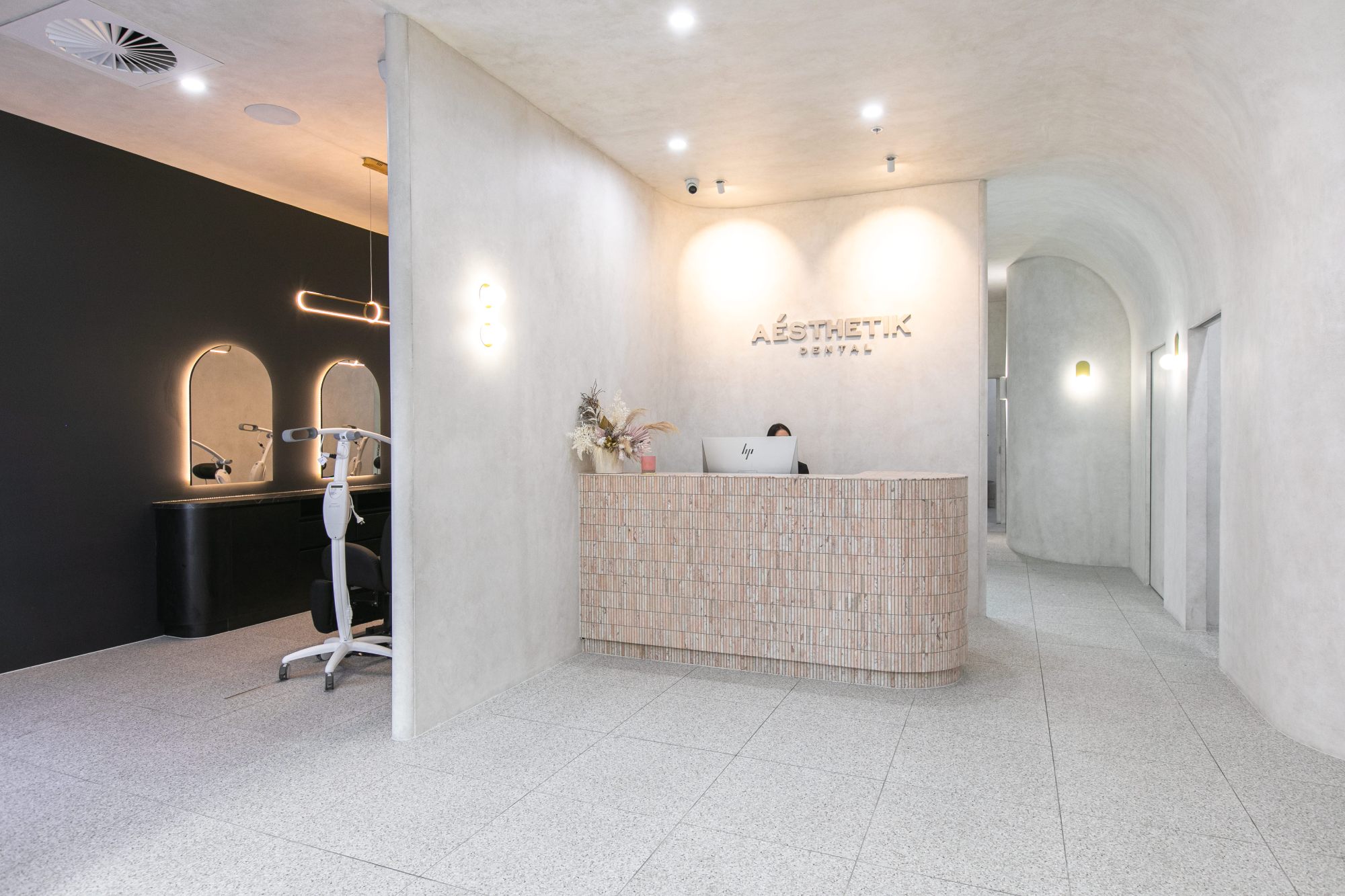
Finding a dental practice that balances high-end clinical expertise with a genuinely relaxing environment can be a challenge in the inner city. Aesthetik Dental South Melbourne breaks the traditional, sterile mould by delivering a design-led, patient-first experience where your care is never rushed or stressful.
A Convenient Inner-City Location
Situated at Suite 18, 37 Albert Road, Melbourne VIC 3004, our clinic sits right on the edge of the city. This central location makes it incredibly easy to access for residents and commuting professionals coming from nearby hubs, including:
- Albert Park
- Port Melbourne
- Southbank
- Docklands
- The Melbourne CBD
Transparent Care and Easy Payment Options
We believe that high-quality dental care requires absolute honesty about costs. Our team focuses on giving you plenty of time to ask questions, explore your treatment options, and feel completely in control of your health.
- Qualified Clinicians: Every practitioner at our clinic is fully AHPRA registered, highly qualified, and continuously trains in modern dental advancements.
- No Hidden Fees: You will always receive a clear, itemised treatment plan in writing before any procedure begins.
- Instant Claims & Payment Plans: We accept all major private health insurance funds and process your rebates instantly on-the-spot via HICAPS. For larger cosmetic or restorative treatments, we offer flexible payment plans to help spread the cost smoothly over time.
Complete General and Cosmetic Care Under One Roof
You don’t need to juggle multiple appointments at different specialty clinics to get the smile you want. Our South Melbourne team seamlessly handles your everyday preventative oral health alongside advanced cosmetic smile transformations:
- Preventative & General Care: Comprehensive exams, professional cleans, fillings, and restorative work to keep your teeth healthy.
- Cosmetic Enhancements: Professional teeth whitening, porcelain veneers, composite bonding, and full smile design planning.
Whether you need a routine six-month check-up or are exploring a complete smile makeover, our clinic provides everything you need in a single, comfortable location.
Learn more about our South Melbourne dental clinic and what to expect at your first visit.
Patients interested in maintaining their oral care at home can also explore oral care products from our shop, including take-home care products recommended by our clinical team.
Expert Viewpoint
Many corporate clinics operate like high-volume factories where dentists are pushed to hit strict daily sales quotas. When a clinic treats you like a line item on a spreadsheet, the care becomes transactional. The staff’s primary focus shifts from your oral health to their immediate cash flow.
If a dentist rushes through your exam, brushes off your questions, or barely speaks to you, they are prioritizing chair turnover for the next paying customer.
Furthermore, a practitioner who diagnoses problems and recommends expensive treatments without showing you the physical proof on an X-ray or 3D scan is likely selling you unnecessary work.
Ultra-low introductory fees are usually just marketing bait. If a clinic uses high-pressure tactics to force you into signing a major financial contract before you leave the building, they see you as a financial target to be processed.
A good clinic does not need to pressure you. Book your appointment today and judge for yourself.
Frequently Asked Questions
How do I check if a dentist is registered in Australia?
Visit the AHPRA public register at ahpra.gov.au and search the dentist’s name. Registration, qualifications, and any conditions on practice are publicly listed. The search is free, takes under a minute, and confirms the dentist is authorised to practise under the oversight of the Dental Board of Australia.
Can I switch dentists easily and transfer my records?
Switching is straightforward. You can request your dental records, including X-rays, clinical notes, and treatment history, be transferred from your current clinic to a new one. Most clinics process this request within a few business days. Some charge a small administrative fee for copying records.
Is the most expensive dentist the best one?
Not necessarily. Price does not equal quality. The most important factors are AHPRA registration, clear qualifications, and transparent pricing provided before treatment begins. A mid-range clinic with published fees, a written treatment plan, and strong reviews is a better choice than an expensive one that is vague about costs.
How do I find a dentist that is good with nervous patients?
Look for clinics that specifically mention anxiety-friendly or gentle dentistry in their patient communication. Read reviews that reference nervous or anxious patients. When you call or enquire, ask directly how the team supports patients who find dental treatment stressful. The response you receive tells you a great deal.
Do I need a dentist who offers payment plans?
If you anticipate significant treatment in the near future, yes. Payment plans spread the cost of larger procedures across multiple installments and make it easier to address dental health without delaying treatment for financial reasons. Ask whether interest-free options are available when you enquire.
How important are online reviews when choosing a dentist?
Useful, but not definitive. Reviews are most reliable when they are detailed, numerous, and spread across time. Read for patterns in patient experience: communication, pricing transparency, how the team handles problems. A handful of generic reviews tells you less than 40 detailed ones over three years, and a first visit will always tell you more than any review.
What should happen at a good first dental appointment?
A thorough examination with X-rays, clear verbal explanation of findings shown with supporting images, a written treatment plan with itemised fees, and time for your questions before you leave. Nothing should be added to the bill without your prior agreement. You should leave informed, not uncertain.

Victoria Viti is the Creator & Founder of Aesthetik Dental, a leading general and cosmetic dental practice in Melbourne and Geelong. With a passion for redefining modern dentistry, she blends clinical expertise with aesthetics to deliver transformative, patient-centered care. Victoria is known for her innovative approach to smile design, focusing on accessibility, confidence, and natural results. Her work reflects a commitment to excellence, patient satisfaction, and advancing dentistry as both a science and an art.